

Lead Forward | Engineering Future Leaders Program
Lead Yourself. Lead Others. Lead the Future.
Overview
Lead Forward is a proposed 12-week, non-credit engineering leadership development program designed to equip undergraduate engineering students with the interpersonal, managerial, strategic, and future-oriented skills needed to complement their technical education.
The program bridges the gap between engineering knowledge and professional leadership by integrating structured online learning through Coursera, practical leadership activities, industry engagement, and mentorship.
The program emphasizes three interconnected dimensions of leadership:
PILLAR 1: Lead Yourself
Self-awareness, communication, emotional intelligence, decision-making
PILLAR 2: Lead Others
Teamwork, influence, conflict management, project leadership
PILLAR 3: Lead the Future
AI leadership, innovation, strategy, career development
Objectives
- Develop students' self-awareness, confidence, resilience, and professional leadership identity.
- Strengthen communication, teamwork, negotiation, and conflict-management capabilities.
- Introduce fundamental project leadership and decision-making competencies.
- Prepare students to understand and lead AI-enabled transformation, innovation, and strategic initiatives.
- Connect undergraduate students with experienced professionals, industry practitioners, and graduate mentors.
- Enhance students' career readiness through verifiable learning, leadership experiences, and professional networking.
Structure
| Component | Proposed Arrangement |
| Target participants | Undergraduate engineering students (minimum Junior standing) |
| Cohort size | 25-30 students |
| Duration | 12 weeks across one semester |
| Format | Blended, non-credit, extracurricular |
| Learning | Complete Coursera courses with assessments (see Coursera Course Map) |
| Workload | Preferably 3-5 hours per week, including mentoring and practical activities |
| Leadership activities | Short exercises, simulations, case discussions, and group challenges |
| Mentorship | Industry-experienced PhD ESM students in Engineering Systems Management |
| Industry engagement | Guest leadership discussion and feedback on student presentations |
| Recognition | Completion certificate |
Leadership Journey
Phase 1: Lead Yourself
Month 1 . Weeks 1-4
| Week | Topic and description |
| 1 |
Engineering Leadership Mindset From technical expert to leader; leadership styles; self-awareness |
| 2 |
Communication & Executive Presence Professional communication, presenting ideas, active listening |
| 3 |
Emotional Intelligence & Resilience Managing stress, adaptability, feedback and confidence |
| 4 |
Critical Thinking & Decision-Making Structured problem-solving, systems thinking, ethics |
Phase 2: Lead Others
Month 2 . Weeks 5-8
| Week | Topic and description |
| 5 |
Teamwork & Collaboration Multidisciplinary teams, trust, accountability |
| 6 |
Influence Without Authority Stakeholder management, negotiation, persuasion |
| 7 |
Conflict Management & Difficult Conversations Handling disagreement, giving constructive feedback |
| 8 |
Project Leadership Fundamentals Scope, time, resources, risks and agile approaches |
Phase 3: Lead the Future
Month 3 . Weeks 9-12
| Week | Topic and description |
| 9 |
AI, Digital Transformation & Leadership Leading AI-enabled engineering teams, responsible AI adoption |
| 10 |
Innovation & Entrepreneurial Thinking Design thinking, creativity, identifying opportunities |
| 11 |
Strategic Thinking & Business Acumen Value creation, cost-benefit analysis, sustainability |
| 12 | Leadership Challenge & Career Roadmap Team presentations, industry feedback, personal development |
Coursera Course Map
Coursera learning follows a month-by-month plan across the 12 weeks. Course times are as listed in the program plan.
| Timing | Coursera course(s) | Provider | Course time | Focus |
| Months 1-2 | Modern Project Leadership: Agile, AI, and Beyond (10 courses) | Coursera | ~24 hrs | Prioritizing, risk, agile and distributed teams, AI in project work |
| Month 3, first half | Agile Systems Engineering Leadership | University of Colorado | ~4 hrs | Motivation, team development, organizational structures |
| Month 3, second half | Leadership & Management with Gen AI | SkillsBooster Academy | ~4–5 hrs | Leading through AI change, AI strategy and governance |

Industry Engagement
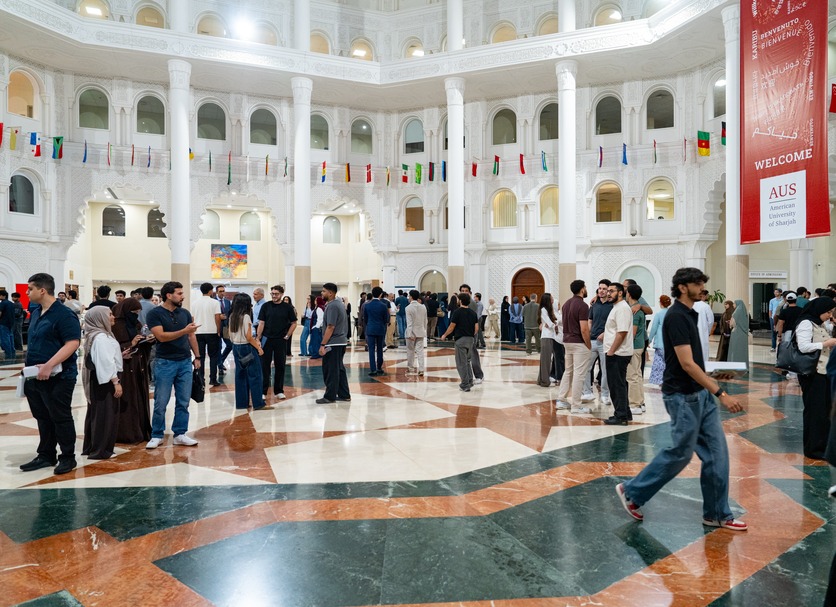
Three main events would anchor the 12-week program.
- Opening Leadership Workshop - Week 1
Introduction to Lead Forward, leadership self-assessment, networking, expectations, and mentor introductions. Senior engineering leader could deliver an opening address on transitioning from engineering expertise to leadership.
- Engineering Leadership in Practice - Week 8
An interactive discussion with industry leaders on managing teams, delivering projects, handling difficult decisions, and leading organizational change. Includes a short project leadership exercise.
- Lead Forward Leadership Showcase and Recognition - Week 12
Brief student presentations, feedback from invited professionals, reflection on personal development, and recognition of successful participants.
Mentorship and Leadership
A distinctive feature of Lead Forward would be the active involvement of PhD students in Engineering Systems and Management (ESM), particularly those with substantial professional and managerial experience.
Many ESM doctoral students bring experience from engineering organizations, government entities, consulting, healthcare, logistics, technology, construction, and other sectors. This creates an opportunity to connect undergraduate engineering education with real leadership challenges.
Rather than serving only as teaching assistants, selected PhD-ESM students would act as Leadership Mentors and Program Facilitators, providing practical guidance, professional perspectives, and support throughout the Academy.

Implementation
- Coursera learning: Aim for 3 to 5 hours per week including activities
- In house delivery of certain topics
- Engagement of PhD ESM with industry Experience
- Weeks 1, 8 and 12: Integrate practical activities into the three in-person events
- Final showcase: Brief presentation and Leadership
- Completion verification: Track Coursera progress, attendance and a small number of submissions
Application
Students should complete a brief online application requesting their academic information, a short statement of motivation, an example of teamwork or initiative, and confirmation of their availability.