CEN Research Hub
Welcome to the CEN Research Hub
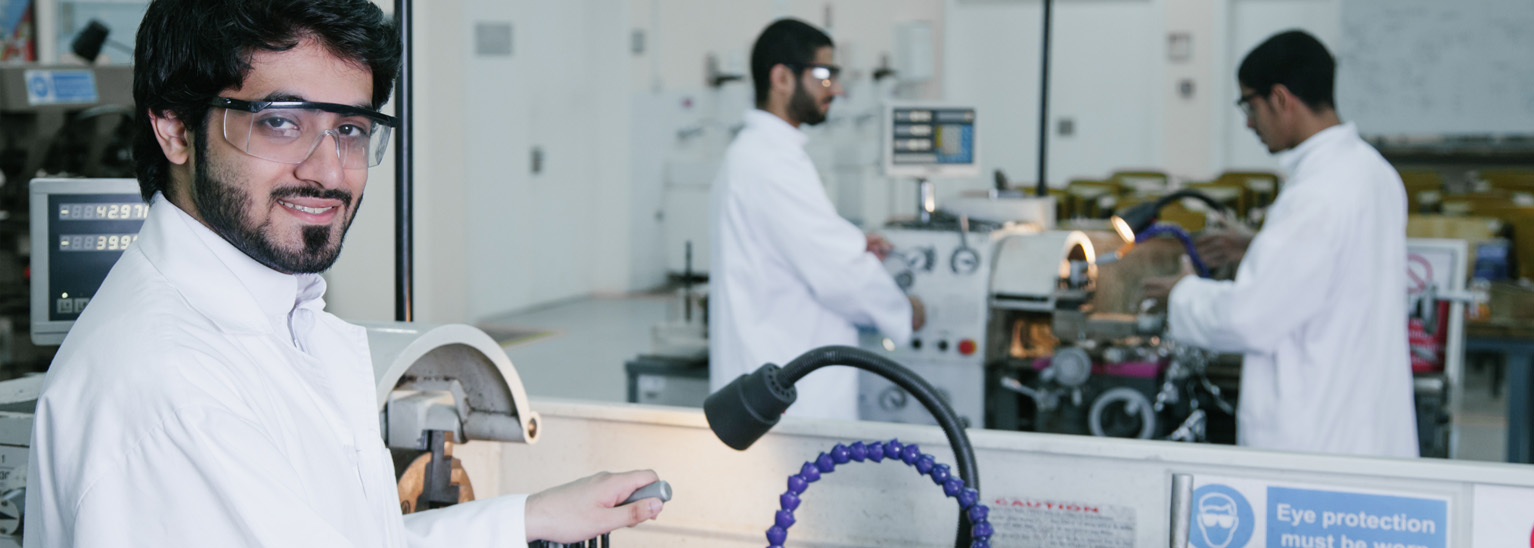
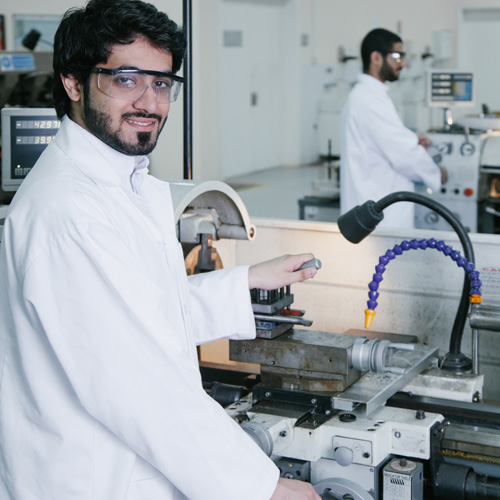
At the College of Engineering, our exceptional faculty actively engage in innovative, cutting-edge and high-impact research that not only inspires our students but also serves society and impacts the world.
Research Clusters
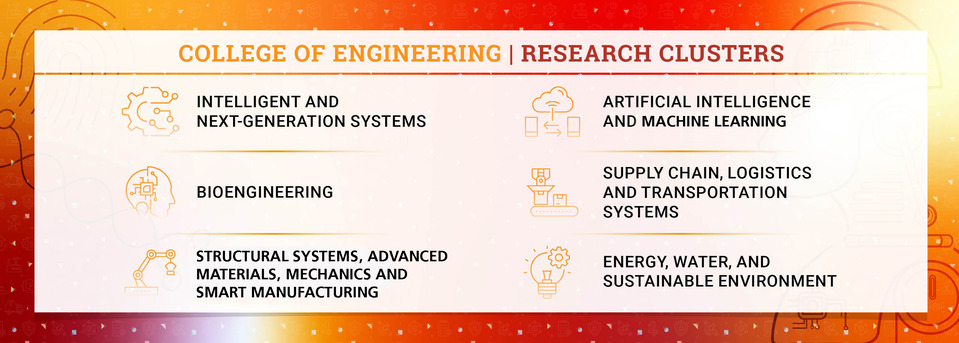
As part of our commitment to excellence, CEN has established six groundbreaking research clusters, each focusing on specific research themes closely aligned with the expertise of our esteemed faculty members. Groundbreaking ideas converge in these dynamic hubs, fostering collaborative efforts that drive pioneering solutions to real-world challenges.
By creating these research clusters, our aim is twofold: to showcase our areas of research strength within CEN and to forge impactful partnerships with industry collaborators and endowments, further enriching our research endeavors. These strategic collaborations will not only propel our institution's growth but also stimulate innovation and drive economic development.
Our research themes within these clusters not only reflect CEN's commitment to pushing boundaries but also align with the strategic national agendas of the United Arab Emirates. By addressing crucial societal and technological challenges, we contribute to the development and progress of the nation, while elevating our own research agenda and enhancing the visibility, ranking and branding of CEN on a global scale.
Research Groups

- Applied Nonlinear Dynamics Research Group
- BioEnergy and Solar Conversion Research Group
- Electric Vehicle and Robotics Research Group
- Environmentally Friendly Oil Refinery Waste Disposal
- Geographic Information System and Mapping Lab (GISML)
- Metal Organic Frameworks Group
- Microfluidics
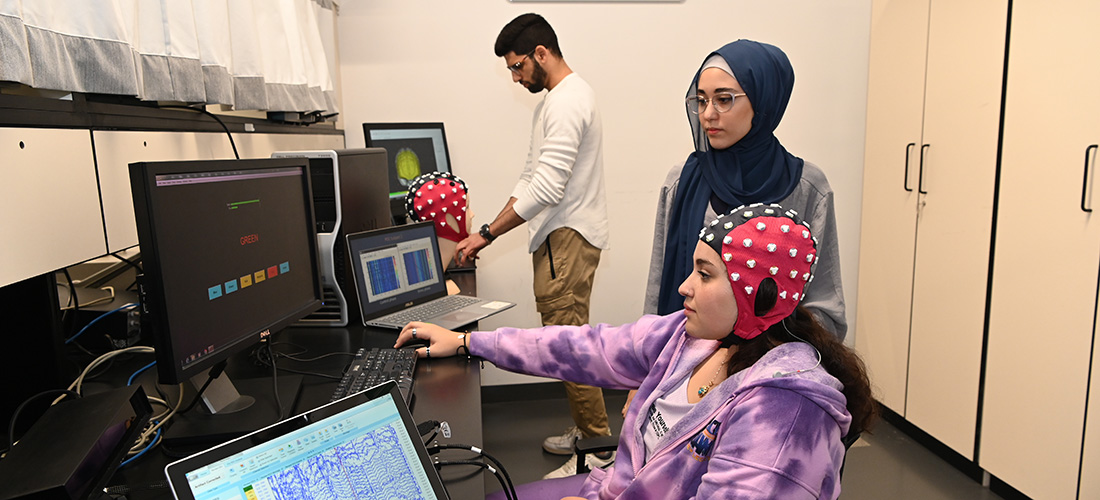
- Neuroengineering Research Group
- Ultrasound in Cancer Research Group
Research Stories
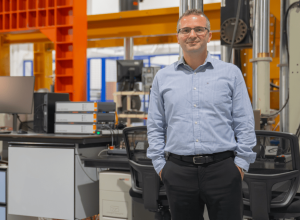
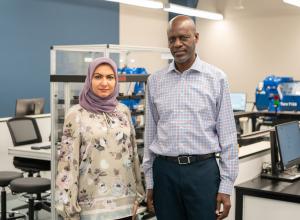

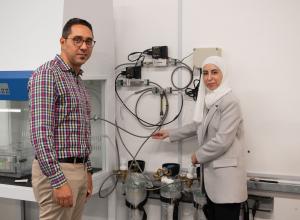
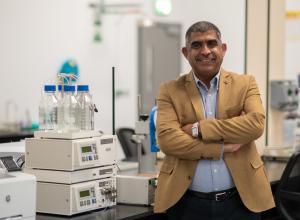
- 1 of 6
- next ›
Experts List
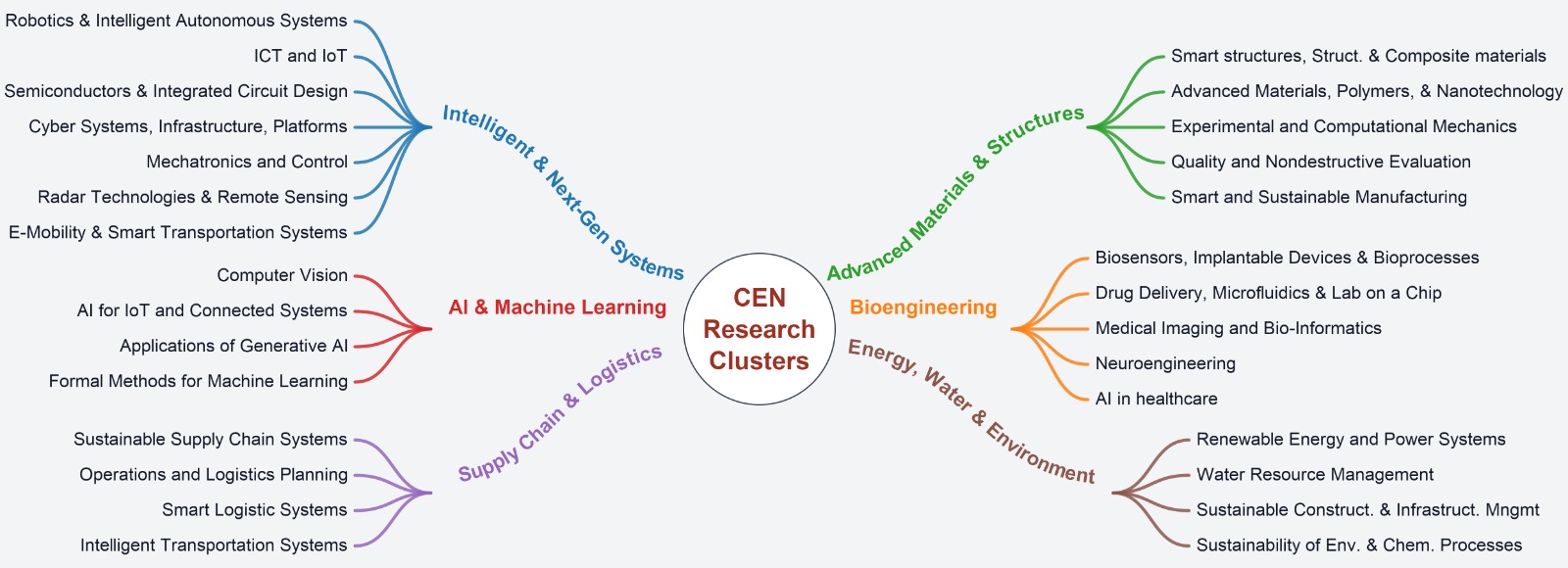
We invite you to explore our experts list and learn more about the transformative work being conducted by our faculty members and students. Join us on this exciting journey as we continue to push the frontiers of engineering research, innovation and education.
Endowed Chairs

The Riad T. Al Sadek Chair in Civil Engineering
Dr. Rami Hawileh
To view his profile, click here
To view his latest report, click here

The Petrofac Research Chair in Renewable Energy
Dr. Amani Al-Othman
To view her profile, click here
To view her latest report, click here

The Dana Gas Chair in Engineering
Dr. Farid Abed
To view his profile, click here
To view his latest report, click here
- Previous Endowed Chairs
- 2023 - 2024
Dr. Mehdi Ghommem
The Dana Gas Chair in Engineering
To view his profile, click here
- 2017 - 2023
Dr. Jamal Abdalla
The Riad T. Sadik Endowed Chair in Civil Engineering
To view his profile, click here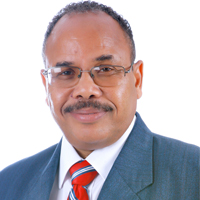
Dr. Rached Dhaouadi
The Petrofac Endowed Chair in Renewable Energy
To view his profile, click here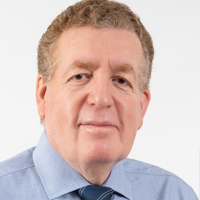
Dr. Ghaleb Husseini
The Dana Gas Endowed Chair in Engineering
To view his profile, click here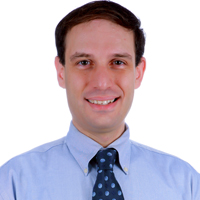
Patent Stories

Undergraduate Research Grant
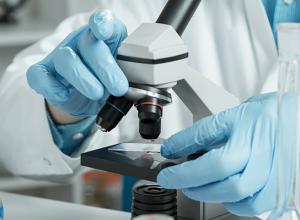
The Office of the Dean allocates funds every semester for CEN undergraduate students from all programs to support their participation in, and dissemination of, independent research and scholarly and creative activities under the mentorship of college faculty. The awards are offered on a competitive basis every fall and spring semester. The guidelines below describe this initiative in more details.
- Project Categories and Guidelines
Individual project: This is for an individual student who will be engaged in research, scholarly and creative activity under the mentorship of an AUS faculty member. The budget requested should not exceed AED 5,000.
Group project: This is for a project consisting of two or more students working under the mentorship of an AUS faculty member. The maximum budget is AED 10,000.
The Primary Faculty Mentor who supervises the project funded by this grant must collect and endorse a one-page minimum Final Project Report and submit it to [email protected] within 90 days of the project end date.
For more information about this grant, click here to read the guidelines. Note that the College of Engineering manages the entire process (evaluation and notification process).
- Submission and Application Deadlines
Applications must be submitted by email to [email protected] by the student(s) seeking funding.
Type of Award: Undergraduate Research Grant
Application Deadlines:
Fall semester: October 15, 2024
Spring semester: February 13, 2025- Sample of the Funded Projects
Department of Chemical and Biological Engineering:
Project Title: Metal Organic Framework Composite for Wastewater Treatment
Students: Dana Al-Muqbel, Hind Alqassem, Aisha Alali, Khawla Almazrooei, Abdulwahab Alaamer
Advisor: Dr. Rana Sabouni
Department of Civil Engineering:
Project Title: Advancing Sustainable Construction Through Carbon Sequestrating Concrete
Students: Abdulaziz Sharif, Khalid Aboukaram, Malak Allan
Advisor: Dr. Sherif Yehia
Department of Computer Science and Engineering:
Project Title: Autonomous Waste Detection, Collection and Classification Robot
Students: Alisha Faizan, AbdulRahman Shoaib, Hafsah Tahir, Mohammed Patel
Advisor: Dr. Michel Pasquier
Department of Electrical Engineering:
Project Title: Through-wall Pose Estimation Using Wi-Fi Signals and Key-point Deep Learning Algorithm
Students: Hanaa Sadoun, Amro Alkhatib
Advisor: Dr. Amer Zakaria
Department of Industrial Engineering:
Project Title: Barriers to primary healthcare access at MOHAP primary healthcare
Students: Lara Abdelsamad, Sara Abuiktish, Yaser Akaila, Yusur Al Mnaseer
Advisor: Dr. Hussam Alshraideh
Department of Mechanical Engineering:
Project Title: Water Quality Monitoring Robot
Students: Ibraheem Kanan, Ahmed Hisham, Momen Aldahshan, Faisal Abu Abed
Advisor: Dr. Mohammad Jaradat
Applied Research
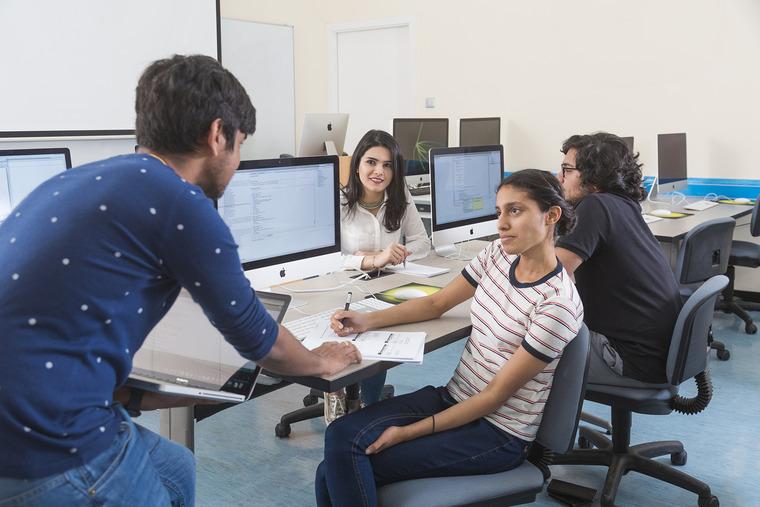
The College of Engineering has the infrastructure required to perform engineering research relevant to the industry needs of today.
Our faculty members are experienced in conducting applied research. They have a proven track record of success in external cooperation and applying advanced techniques to solve difficult problems, improve system performance, design innovative solutions and assist collaborators with their research, consultation and training needs. The Engineering Outreach Program has been created to help make this engineering experience and expertise accessible to potential partners in industry and government.
Our outreach groups are ready to respond to your organization's interests and needs. Your organization can become involved in the Engineering Outreach Program through participating in collaborative research that addresses your organization's needs and problems.
Your organization is also welcomed to become an annual sponsor of ongoing research at AUS. Annual sponsors of ongoing research help guide the research priorities of the outreach groups and are entitled access to project data, reports and designs. Annual sponsors also receive recognition for their support by having their logos appear on outreach promotional materials (if desired), and by being mentioned in publications of research efforts. Priority access to outreach personnel is also granted to annual sponsors for their ongoing research, review and evaluation needs.
- Research Areas
- Aerospace Vehicle Design and Propulsion Systems
- Biomedical Engineering
- Civil Infrastructure Design and Construction
- Communications and Networks
- Microelectronics and Electronic Design Automation
- Energy Systems
- Engineering Materials and Manufacturing
- Software Technology
- Environmental Engineering and Sustainable Systems
- Mechatronics and Field Robotics
- Artificial Intelligence and Soft Computing
- Multimedia Processing
- Petroleum and Chemical Industries
- Grid and Distributed Computing
- Earthquake Engineering and Mechanical Vibrations
- Engineering Systems Management
- Optimization, Design Automation and Computer Security
- Wired and Wireless Industrial Computer Networks
- Radar Signal Processing
- Hybrid, Solar and Electric Vehicles
- Renewable Energy and Fuel Cells, Modeling and Simulation
- Soil Behavior, Soil Stabilization, Expansive Soil and Soil Testing
- Water Quality Management and Environmental Treatment Processes
- Construction Methods and Project Benchmarking
- Selected Applied Research Topics
- Non-invasive ECG Extraction
The fetal electrocardiogram (FECG) signal reflects the electrical activity of the fetal heart as it contains information on the health status of the fetus. Therefore, an early diagnosis of any cardiac defects before delivery increases the effectiveness of the appropriate treatment. In this project, we devised a novel technique for non-invasively extracting the FECG from abdominal and thoracic ECG recordings from the mother. The novel technique uses advanced pattern recognition and signal processing algorithms. The devised technique has been proven to yield superior results when compared with the existing state-of-the-art fetal ECG extraction methods. The technique has been patented in the USA and was published in leading journals and conferences.
- Manufacturing and Materials Processing
This group focuses on machinability of difficult to cut materials like titanium alloys, machine tools dynamics, tool wear, process optimization, process automation, and development of sustainability metrics for machining processes.
- Arabic Sign Language Recognition
In this project, we developed a set of solutions for automatic Arabic Sign Language (ArSL) recognition. These solutions are divided into two categories: sensor-based solutions and computer vision-based solutions. The sensor-based solutions use advanced mechatronics and signal processing techniques, while the computer vision-based solutions use advanced video and image processing algorithms with pattern recognition systems. We have published several articles on our ArSL recognition results in leading journals and conferences.
- Transformer Health Monitoring Using Signal Processing and Intelligent Systems
The proposed transformer health monitoring will provide assessment of the transformer health condition, which will be useful for maintenance, ensuring optimum transformer performance, increased efficiency and also increased expected life time. Several parameters can be monitored to assess the transformer health like partial discharge activities, oil and paper insulation quality.
- Automatic Inspection of Outdoor Insulators using Digital Image Processing and Artificial Intelligence
Outdoor insulators are very important to the integrity of the power system grid. Recently, polymer insulators have been used in many countries including the United Arab Emirates. One of the major problems that face utility engineers is to evaluate the aging performance of those insulators. The proposed system automates the surface condition assessment system of polymer insulators developed by the Swedish Transmission Research Institute (STRI).
- A Clean Biofuel from Solid Waste
This research project proposes a technique for converting solid waste into a biofuel that can be utilized as a clean source of energy in many industrial and domestic applications. As such, this project has an advantage of managing the waste and producing a good source of alternative energy in order to minimize pollution.
- Microbiological Fuel Cells and Water Desalination
This project studies and explores the electricity, desalination capacity and performance of microbial desalination cells (MDC) combined with microbial fuel cells (MFC). The aim of the project is to maximize fresh water from sea water by using electricity generated from MFC. The study covers waste water treatment as well.
- Biofilter Project
This project proposes a process technology for biofilter development and testing for removal of air pollutants for industry and wastewater treatment stations. A mobile biofilter system was constructed and set up to treat H2S and waste gas. The H2S concentration in the exhaust from the stack was treated and reduced from 130ppm to 3ppm.
- A Comprehensive Study of the Damage Behavior and Failure Modes of Structural Steel Column Subjected to Transverse Impact
This research presents a comprehensive study and consistent methodology for the assessment of the nonlinear damage behavior of structural steel columns subjected to transverse impact. The intellectual merit for this proposal is to enhance the understanding of the ductile failure mechanism due to accumulation of plastic deformation that is needed to enable proper structural design and hence provide better serviceability.
- Reliable Latching RF MEMS Switches and Switch Matrices
The proposed RF MEMS switches in this research project are measured in micrometer scale and use a novel latching mechanism that exhibits high displacement to obtain superior RF performance in comparison with other RF MEMS switches. The switch will be designed such that it works under vacuum and can withstand low temperature conditions; such conditions do exist in the space environment. It also can stand high-power signals and temperature generated through them due to the high power up to 85˚C. Those circuits can be utilized in phase array system and triple stage switch matrices for satellite applications.
- Nutrient Recovery from Wastewater
The project is aimed at determining the feasibility of recovering nutrients (nitrogen and phosphorus) from domestic wastewater in UAE in the form of a slow-release fertilizer. This study is a precursor to developing a sustainable process where we can consider wastewater as a resource rather than a waste/problem.
- Tensile Material Properties of Different Types of Fiber-Reinforced Polymer Sheets at Elevated Temperatures
The aim of this proposal is to investigate experimentally the tensile mechanical properties of FRP sheets under elevated temperatures. The experimental matrix will be composed of CFRP, GFRP, Basalt (BFRP), and hybrid combination of GFRP/CFRP and BFRP/CFRP sheets. The specimens will be mechanically tested in tension at temperatures ranging from 25 to 250˚C. The parameters that will be considered to investigate the effectiveness of the sheets in elevated temperatures compared to room temperature include the modulus of elasticity, ultimate tensile strength, and strain at break, along with the corresponding stress-strain curves.
- Detecting Sleep Apnea Using Mobile Phones
The paper discusses the design and implementation of a mobile application that uses the smart phone's sensors, e.g. microphone and built-in accelerometer, to record the snoring, breathing and movement patterns of users and get a sense of whether or not the user is likely to suffer from sleep apnea before continuing with more expensive and advanced sleep tests.
Published Research
As part of our commitment to excellence, CEN's faculty members and students contribute to a range of groundbreaking publications that showcase our research strength and forge impactful partnerships with industry collaborators. The work featured in these publications addresses crucial societal and technological challenges, contributing to the advancement and prosperity of our community and beyond. We invite you to explore the transformative work of our faculty members and students and join us in pushing the frontiers of engineering research and innovation.
CEN Research Positions
The College of Engineering welcomes applications for research positions. These roles offer unique opportunities for individuals to engage in research activities, collaborate with faculty members, and contribute to academic endeavors within our vibrant community.

- Postdoctoral Associate in in Computer Security, Machine Learning, and Computer Vision
The Department of Computer Science and Engineering at the American University of Sharjah (AUS) is seeking a highly motivated Postdoctoral Associate, to support ongoing research in computer security, machine learning, and computer vision.
This 12-month position, starting in either August 2025, provides an excellent opportunity to contribute to cutting-edge research in cybersecurity and AI, leading to academic publications and real-world applications.
Responsibilities and Key Accountabilities
- Design and implement both theoretical and experimental research studies in computer security, machine learning, and computer vision.
- Apply deep learning models using TensorFlow, PyTorch, or other frameworks to solve security and vision-related challenges.
- Conduct data collection, processing, and analysis for security and AI-based applications.
- Contribute to writing and publishing high-quality research papers in peer-reviewed journals and conferences.
Qualifications and Skills Required
- PhD in Computer Science, Computer Engineering, or a related field from an accredited institution (awarded within the last four years).
- Proven research background in computer security, machine learning, and/or computer vision, with a strong publication record in reputable journals and conferences.
- Proficiency in programming languages such as Python or C++.
- Experience with deep learning frameworks (e.g., TensorFlow, PyTorch) and/or computer vision libraries (e.g., OpenCV).
- Excellent written and verbal communication skills for presenting research findings.
Preferred Experience
- Hands-on experience with AR/VR platforms such as Unity or MRTK.
- Research experience in mobile computing (Android and/or IOS) and human-centered design.
Position Details & Application Process
This position is based in Sharjah, UAE, and the selected candidate must be willing to relocate. The terms of employment are highly competitive.
Applications will be reviewed immediately and will continue until the position is filled.
How to Apply
Interested applicants should complete the application form and submit the following documents:- Curriculum Vitae (CV) with a full publication list.
- Cover Letter detailing research interests and relevant experience.
- A writing sample (e.g., a published journal or conference paper).
- Two letters of reference.
For inquiries about the position, please contact Dr. Reham Aburas at [email protected]
- Postdoctoral Associate in Photothermal Membrane Distillation for Sustainable Water Desalination
The Department of Chemical and Biological Engineering at the American University of Sharjah (AUS) invites applications for a Postdoctoral Researcher to join an innovative project titled “Photothermal Membrane Distillation for Water Desalination using Low-Cost Carbon Nanoparticles.”
This project is part of AUS’s strategic commitment to advancing sustainable technologies, addressing regional water scarcity, and fostering research excellence in renewable energy applications. The successful candidate will play a key role in developing solar-driven, low-cost desalination solutions with real-world impact.
Key Responsibilities:
- Design experimental plans and lab setups for photothermal membrane distillation systems.
- Develop and optimize protocols for membrane fabrication and performance evaluation.
- Monitor project milestones and regularly report progress to the Principal Investigator (PI).
- Coordinate laboratory needs, including equipment and consumables.
- Conduct data analysis and interpret experimental results to guide ongoing research.
- Prepare high-quality publications and conference presentations.
- Collaborate with an interdisciplinary research team to ensure alignment with project goals.
- Uphold safety standards and research ethics in all lab activities.
Qualifications:
- Ph.D. in Chemical Engineering, Environmental Engineering, Materials Science, or a related field.
- Demonstrated experience in membrane technology, nanomaterials, or water treatment systems.
- Strong publication record in peer-reviewed journals.
- Excellent experimental, analytical, and communication skills.
- Proven ability to work independently and collaboratively in a research team.
Why Join AUS?
- Work on cutting-edge research with meaningful environmental and social impact.
- Collaborate in a vibrant academic community committed to sustainability and innovation.
- Contribute to graduate student training and interdisciplinary collaboration.
- Be part of a project that enhances AUS’s global research standing.
Application Instructions:
Interested applicants should submit the following:
- Cover letter outlining research experience and interest in the project
- Curriculum Vitae (CV)
- Contact information for three references
- Two representative publications
Deadline: 30 June 2025
Start Date: 15 August 2025
Duration: 1 yearSubmit your application to Dr. Sameer Al-Asheh ([email protected])
Graduate Assistantships
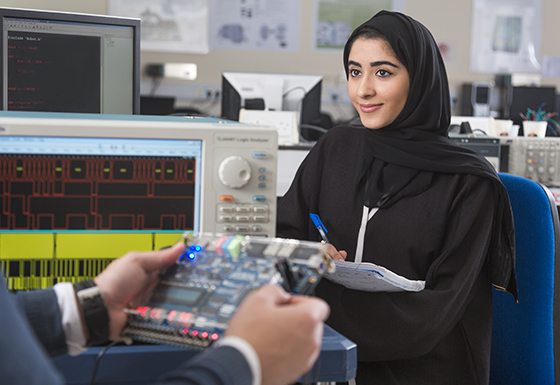
We offer our graduate students assistantships and work-study opportunities.
If you wish to consider assistantship or employment as a graduate student at AUS, please take the time to browse the following pages: