CASIC is a leading hub for intellectual exchange and innovative interdisciplinary research on the Arab and Islamic worlds, cultivating new generations of thinkers and sharing knowledge with communities far beyond academia. Based in Sharjah, an emirate celebrated for its rich Arab and Islamic heritage, the center connects tradition with contemporary inquiry.
Vision
CASIC is dedicated to advancing interdisciplinary research worldwide, grounded in the region’s intellectual heritage while addressing contemporary challenges. The center foregrounds perspectives from the Arab and Muslim worlds, highlighting their intellectual and cultural richness of these societies while promoting cross‑cultural and interdisciplinary dialogue and contributing to knowledge production that is more inclusive of the Global South.
CASIC advances scholarship in the humanities and social sciences that explores the historical, cultural, intellectual and artistic legacies of Arab and Muslim societies, while critically examining the social, political and cultural challenges of the contemporary world.
Based in the UAE, the center plays a key role in safeguarding intangible heritage such as oral traditions and customs, while examining the impacts of globalization and technological change. Through digital humanities initiatives, CASIC supports the revitalization of the Arabic language and expands access to scholarship through documentaries, podcasts and exhibitions across Sharjah and the Northern Emirates, making research more publicly accessible and culturally impactful.
CASIC further strengthens knowledge exchange through strategic collaborations with local and international institutions and cultivates academic talent by supporting graduate research, post-doctoral fellowships and visiting scholars.
Mission
To promote innovative, multidisciplinary research on the intellectual and cultural traditions of Arab and Muslim societies and critically engage with these traditions to address contemporary global challenges, making scholarly insights accessible to the wider community.
Objectives
Interdisciplinary Leadership
To serve as a central hub for innovative, multidisciplinary research in Arabic and Islamic studies.
Contemporary Critical Engagement
To address modern challenges facing Arab and Muslim societies through inclusive and critical engagement with intellectual traditions.
Digital Innovation
To advance inquiry into Arabic language, history and thought through the integration of digital humanities and cutting-edge tools.
Public Impact and Accessibility
To broaden global understanding of Arab and Islamic heritage, ideas and artistic expressions by extending research beyond academia.
Building a Sustainable Center of Excellence
To elevate the university’s research profile as a regional and global thought leader.
Impact
Academic Innovation
- Interdisciplinary research
- Arabic cultural heritage
- Culturally grounded AI
- Critical scholarship on contemporary societal issues
Strategic Partnerships and Policy
- Policy and sector engagement
- Connecting public/private sectors with global scholars
- Executable policy briefs for regional bodies
Public Engagement and Digital Outreach
- Digital humanities and engagement
- Podcasts, documentaries and digital archives
- Revitalizing Arabic language in the Northern Emirates
Themes
-
 Theme 1 Cultural ArtifactsMeet the team
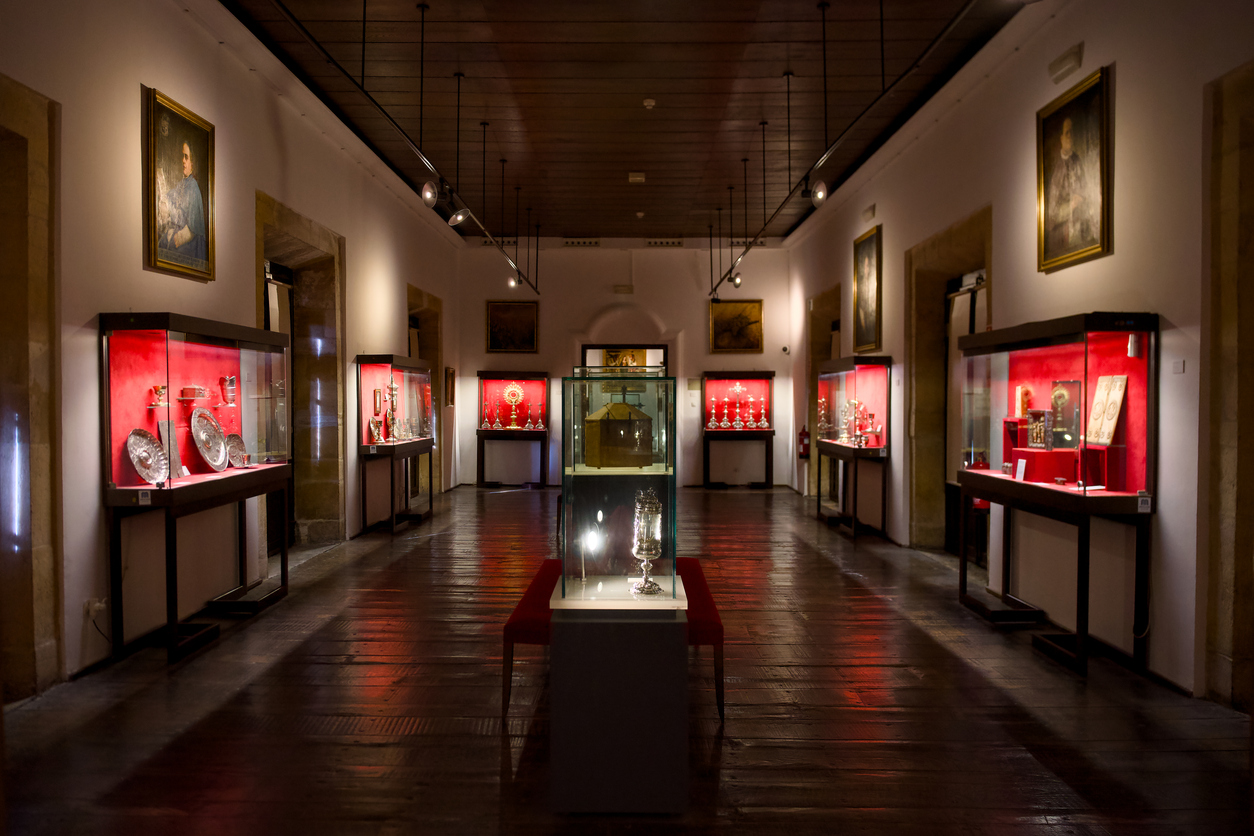
The interdisciplinary research group explores, documents and preserves the rich tangible and intangible heritage of the UAE and the Arab world. The group brings together expertise in material culture, history, language and heritage studies, while integrating digital and immersive technologies with traditional scholarship. Current projects include Emirati dialect, oral history, storytelling, and cultural heritage preservation.
-
 Theme Leader Dr. Salma Thani Assistant Professor in International Studies
 Members Dr. Imed Nsiri Associate Professor in Arabic and Translation Studies
 Members Dr. Suheil Dahdal Professor in Media Communication
 Members Dr. Zaki Aslan Professor of Practice in Architecture
 Members Mr. Zlatan Filipovic Professor in Art and Design
 Members Alisher Khaliyarov Assistant Professor in International Studies
 Members Professor James Onley Professor in International Studies
 Members Dr. Akshay Sarathi Assistant Professor in International Studies
- Key Research Pillars
Dialectology, oral folktales and social dynamics
Utilizing technology to document endangered Emirati dialects—specifically in the Northern Emirates—and study traditional oral folktales.
Museum studies and cultural diplomacy
Exploring the role of museums in national identity, ethical storytelling and the use of immersive technology for public education.
Architecture and historic landscapes
Documenting vernacular building methods and protecting historic landscapes to inform sustainable urban development.
Digital preservation
Developing a comprehensive digital archive of Arabic manuscripts in Sharjah.
-
 Theme 2 Literature, Media and GenderMeet the team
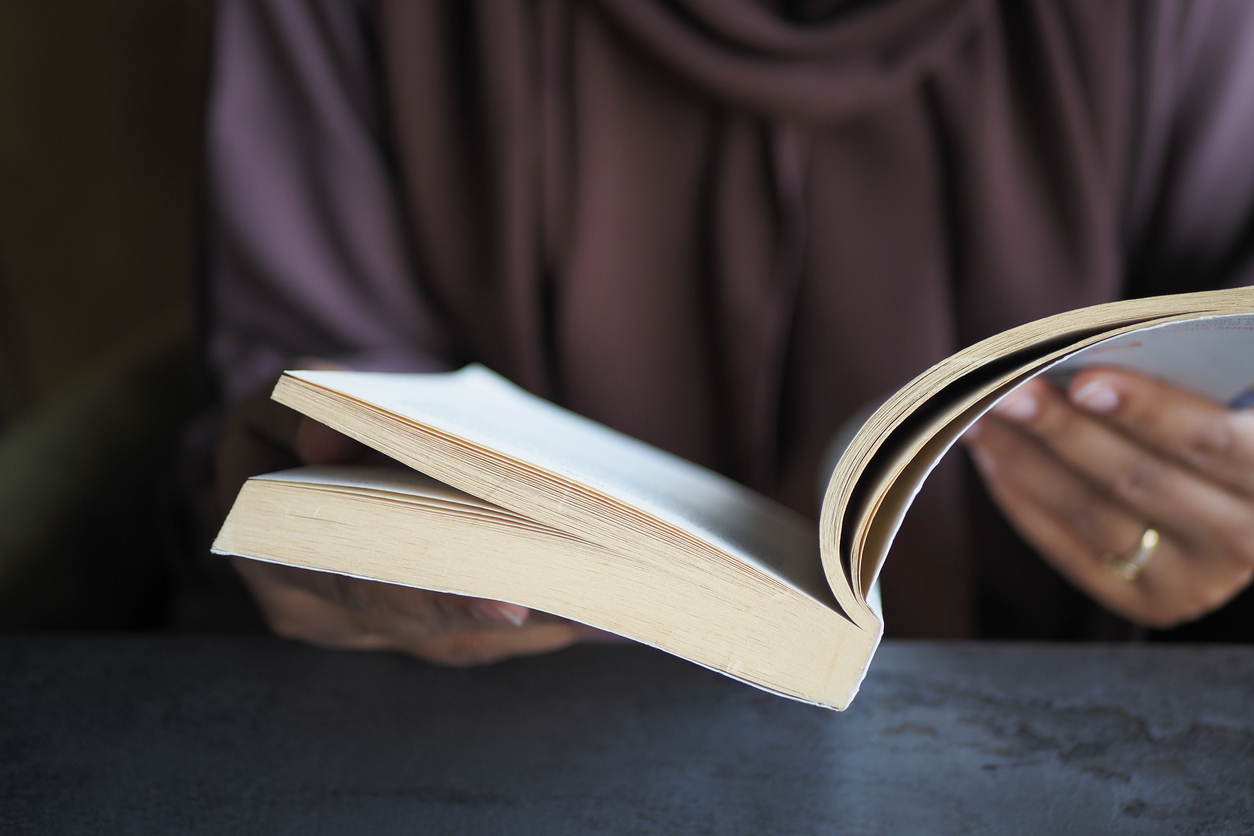
The group draws on AUS’ cross-departmental expertise in Arabic, English, media studies and women’s studies to examine cultural production in the Arab and Islamic worlds. Adopting comparative, intersectional and sociocultural approaches, the group counters essentialist views by analyzing how creative works engage with colonialism, conflict, disability, human rights issues and the environment.
-
 Theme Leader Dr. Nawar Golley Professor in English
 Members Dr. Hania Nashef Professor in Media Communication
 Members Dr. Maya Aghasi Associate Professor in English
 Members Lahouari Taleb Assistant Professor in Arabic and Translation Studies
- Key Research Pillars
Literature
Investigating oral and written traditions, including vernacular GCC traditions, Nabati poetry and emerging Gulf literary forms (novels and short stories)
Media studies
Analyzes the shift from traditional to digital landscapes through semiotics and linguistic models, focusing on audience reception, media literacy and the socio-political impact of Arab and Muslim identities in film, television and reality TV.
Gender and power dynamics
Examining the social construction of gender, intersections of identity (class, ethnicity, age, nationality) and social stratification in the Arab and Islamic world.
Academic exchange
Maintaining active research partnerships with regional institutions, including the University of Sharjah, to promote global and local scholarly dialogue.
-
 Theme 3 Digital Humanities, Language and TranslationMeet the team
The group advances research into Arabic and Islamic thought and culture, history, religion, and the teaching and learning of Modern Standard Arabic (MSA) by integrating AI and digital humanities (DH). By bridging traditional scholarship with computational sciences, the group promotes local and global partnerships to generate data-driven insights and promote inclusive knowledge production from the Arab world and the Global South. Key projects include creating digital editions of works and developing culturally sensitive AI translation systems.
-
 Theme Leader Dr. May Zaki Professor in Arabic and Translation Studies
 Members Dr. Said Faiq Professor in Arabic and Translation Studies
 Members Dr. Said Hassan Assistant Professor in Arabic and Translation Studies
 Members Ms. Dr. Alaanoud A A Abusalim Assistant Professor in English
 Members Dr. Meis Al-Kaisi Associate Professor in Arabic and Translation Studies
- Key Research Pillars
Computational linguistics and Natural Language Processing (NLP)
Developing NLP tools for Arabic, including dialectal variations, to improve machine translation, text analysis and language learning.
Digital textual analysis
Applying text mining, corpus linguistics and visualization to large datasets of Arabic and Islamic texts to uncover trends in literary history, religious thought and historical events.
Digital storytelling
Exploring how digital platforms and interactive exhibitions can be used to create narratives that enhance public appreciation of Arabic literature.
Cross-cultural and civilizational encounters
Investigating the legacy of Arab and Muslim contributions to world civilization, specifically historical exchanges in Portugal, Spain, Sicily and the Far East.
Machine learning and pedagogy
Collaborating with local communities to develop adaptive learning platforms, mobile apps, AI tools to enhance MSA education and automated assessment.
Scholarly digital editions
Creating high-quality digital versions of classical and modern manuscripts, incorporating textual variants and annotations based on international standards.
AI in translation and intercultural studies
Developing AI systems that address cultural sensitivities (including corpora studies and language engineering), while assessing the socio-economic impacts of technology-driven translation.
Digital literacy and training
Designing and implementing training programs for students and researchers to master DH concepts, methods and tools while fostering critical thinking.
-
 Theme 4 Contemporary SocietyMeet the team
Drawing on AUS’s strengths in the social sciences and humanities, this group promotes multidisciplinary collaboration in exploring social change and continuity in the Arab and Islamic world, addressing both transformations and enduring challenges.
-
 Theme Leader Dr. Sammy Badran Associate Professor in International Studies
 Members Dr. Bethany Shockley Associate Professor in International Studies
 Members Dr. Neha Vora Professor in International Studies
 Members Dr. Abeer Al-Najjar Professor in Media Communication
 Members Dr. Yuting Wang Professor in International Studies
 Members Dr. Lucy Tawidian Assistant Professor in Psychology
- Key Research Pillars
Identity, Diaspora and Social Dynamics
Analyzes group identity formation and its societal impact through diaspora and migration studies and cultural studies.
Society and Media
Integrates research on institutions, public opinion, public policy and information integrity to understand the social and political impacts of digital communication.
Contemporary Political Dynamics
Utilizing an "intermestic" approach to explore the interconnectedness of international, regional and domestic political dimensions across the Arab and Islamic worlds.
Human-Technology Interaction
Addressing the ethical and practical implications of technological change on contemporary society in the Arab and Islamic worlds.
-
 Theme 5 Visual and Performing ArtsMeet the team
The group brings together artists, performers and filmmakers to explore the visual and performing cultures of the Arab and Islamic worlds and their global diasporas. By blending pioneering artistic creation and creative practice with scholarly theory, the group studies contemporary Arab visual arts, music evolution and Arabic typography. The group aims to preserve traditions while promoting innovations, and to develop transformative teaching methods to reshape creative education and generate new knowledge through practice-led research.
-
 Theme Leader Dr. Albert Agha Associate Professor in Performing Arts Program
 Members Ms. Hala Rabeea Associate Professor in Art and Design
 Members Ms. Riem Ibrahim Associate Professor in Art and Design
Members Dr. Imed Nsiri Associate Professor in Arabic and Translation Studies
 Members Lina Younes Assistant Professor in Performing Arts ProgramMembers Dr. Gabriel Lavin Artist and Post-Doctoral Lecturer
- Key Research Pillars
Transcultural dynamics and visual media
Viewing visual arts, film, television and social media as a nexus for exploring identity, postcolonial influences and socio-political narratives; analyzing how these platforms both shape and are shaped by cultural and political change.
Performing arts and ethnomusicology
Examining Arab music and theater by blending tradition with modern interpretation, advancing musicology and performance studies while documenting past and contemporary developments.
Arabic typography and design
Promoting innovation with Arabic script through experimentation and preservation, curating resources that document typography’s evolution and its role in shaping graphic design.
Creative practice and critique
Engaging the public through exhibitions, performances and collaborations, hosting workshops and panels to explore how visual media shapes contemporary Arab identity and society.
Affiliated Members


Advisory Board
- Dr. Paul Heck (Chair of the CASIC Advisory Board) — Professor of Theology and Religious Studies at Georgetown University, Washington, USA, where his research and teaching explore the intersections of religion, ethics, and Islamic intellectual history.
- Dr. Mona Diab — Director of the Language Technologies Institute (LTI) and a Full Professor in the School of Computer Science at Carnegie Mellon University, Pennsylvania, USA, specializing in natural language processing and Arabic computational linguistics.
- Dr. Maha Shuayb — Professor of Sociology of Education at the University of Cambridge and Director of the Center for Lebanese Studies in the UK, with a research focus on education policy and displacement in the Arab region.
- Manal Ataya — Museums Advisor and museology professional at the Sharjah Museums Authority, specializing in museum development, cultural heritage, and accessibility and inclusion advocacy.
- Dr. Salwa Mikdadi — Professor of Practice of Art History at NYU Abu Dhabi and Director, al Mawrid Arab Center for the Study of Art, with expertise in modern and contemporary Arab art.
- Dr. Maurice Pomerantz — Dean of the School of Humanities and Social Sciences at The American University in Cairo. His research focuses on classical Arabic literature and cross-cultural exchange.
- Mahnaz Fancy — Principal Researcher for the Arts Legislation and Policies Section at the UAE Ministry of Culture, advising on the development of cultural policy and legislative frameworks for the arts.
Putting Research into Practice
Oral Intangible Emirati Heritage
Digital Archive of Endangered Emirati Dialects
Documenting endangered UAE dialects, including the Shehhi dialect, this fieldwork project uses audio, video and transcriptions to build an archive of oral traditions, stories and cultural practices from communities across the northern Emirates. It broadens the study of Emirati dialects by including voices from all four environments—coast, desert, oases and mountains—helping preserve linguistic heritage for future generations, supporting academic research and publications, and contributing to a curated exhibition. The project is carried out in collaboration with the Sharjah Museums Authority.Sharjah’s Journey: Oral Histories of Sociopolitical and Economic Transformation
Uncovering Sharjah’s past through the voices that lived it, this project brings Sharjah’s past to life by capturing the personal stories of those who witnessed the emirate’s dramatic transformation throughout the 20th century. Through in‑depth interviews with elders, tribal leaders and community members, the study uncovers how everyday people experienced life before and after the discovery of oil and the formation of the UAE.
AI, Culture and Traditions: A Culturally Grounded Research Approach
Projects involve:
- AI, Emirati culture, values and identity beyond data and language
- Cultural climate action in Arab-Islamic traditions, fostering care, compassion and environmental ethics
Humanities, AI and Digital Humanities Research Projects
Special Issue: Between Soul and Algorithm–Religion and the Humanities in the Age of AI: Following the CASIC Humanities, AI and the Digital Age conference, this peer-reviewed issue examines intersections of religion, humanities and AI. Contributions address theological, philosophical and cultural dimensions reflecting international scholarly perspectives.
Mapping the Gulf: An Interactive Geo-temporal Atlas of the Arabian Peninsula and Persia (1775–1825)
Arabic Literature and Digital Humanities: Possibilities and Perspectives
Evaluating AI Tools in Creating Arabic Teaching Materials
Activities
- Annual International Conferences
- Humanities, AI and the Digital Age Conference (May 1–3, 2025)
Inaugural international conference exploring how the humanities—philosophy, theology and ethics—can guide understanding of AI and digital technologies. Covered topics included transhumanism, consciousness, moral responsibility, language inequalities, AI-generated media and Islam in emerging technologies.
- Humanities, AI and the Digital Age Conference (May 1–3, 2025)
- Annual Workshops, Symposia and Panels
- Workshop: Global Chinese Migration and the Belt and Road: Emerging Connections in the Middle East and Africa
Led by AUS’ Dr. Yuting Wang, the workshop brought together scholars to examine the patterns, dynamics and impacts of Chinese migration across the Gulf, the Middle East and Africa. The discussions explored economic, social and cultural dimensions of migration, highlighting how mobility shapes regional connections and global networks. - Panel Discussion: Creative Journeys of Emirati Women
Organized by the CASIC Focus Group on Literature, Language and Media led by Dr. Nawar Al-Hassan Golley and Dr. Hania Nashef, the panel featured Emirati creative writers Afra Atiq (poet, dramatist), Afra Mahmoud (author, publisher and Artist-in-Residence at AUS), Ameera Bu Kadra (children’s writer, publisher), Shaikha Al Mutairi (poet, publisher) and Maryam Saqer Al Qasimi (children’s writer, publisher) discussing human creativity, publishing and cultural transformation, while reflecting on AI’s impact and the enduring value of imagination, engaging students, faculty and the public. - Panel Discussion: Translating Arabic Literature into Portuguese
The panel explored the translation of Arabic literature into Portuguese in Brazil, examining key works, linguistic and cultural nuances and the evolving role of AI in translation. The discussion highlighted the challenges and possibilities of cross-cultural literary exchange, with engaging contributions that enriched the conversation.
- Workshop: Global Chinese Migration and the Belt and Road: Emerging Connections in the Middle East and Africa
- Lectures
- Online Series
- Sleep in Ibn Sina’s Canon of Medicine and Its Commentaries
Professor Nahyan Fancy, Director of Research and Al-Qasimi Professor in Islamic Studies at the University of Exeter, examined how sleep was understood in premodern Islamic medical thought. Challenging common assumptions about sleep as a passive or segmented phenomenon, the talk focuses on Ibn Sina’s Canon of Medicine and its later commentaries to explore evolving theories of sleep, medical insights, and their connections to broader intellectual and religious traditions. - Bridges of Scholarship and Culture: The Contribution of German Scholars to Arab and Islamic Studies
Beate La Sala, researcher and Digital Humanities consultant at Goethe University Frankfurt, explored the historical and ongoing contributions of German scholarship to Arab and Islamic Studies. Tracing the field from the 19th century to the present, the talk highlighted approaches grounded in philology, historical context and intellectual exchange across disciplines such as literature, theology and philosophy. It also reflected on contemporary collaborative initiatives that foster transregional academic partnerships, emphasizing the role of sustained scholarly dialogue in building connections across cultures and traditions. - Classical Arabic Poetry and Neoplatonic Poetics
Dr. Stefan Sperl, Emeritus Professor of Arabic and Middle Eastern Studies at SOAS, University of London, examined the relationship between classical Arabic poetry and Neoplatonic thought, exploring how metaphysical ideas about unity, cosmology and the relationship between the one and the many are reflected in poetic language. Focusing on Abbasid panegyric poetry and later literary and mystical traditions, the discussion traced how figurative expression engages with philosophical concepts drawn from Neoplatonic cosmology and its Arabic adaptations, highlighting continuities between poetic imagination, philosophical inquiry and broader intellectual traditions across the Islamic world and beyond. - Refugee Resettlement, Time, and the Institutionalization of Family Separation
Dr. Laila Omar, sociologist and methodologist at the Arab Center for Research and Policy Studies (ACRPS) and Adjunct Professor at the Doha Institute for Graduate Studies, examines how refugee resettlement systems shape and sustain family separation over time. Drawing on seven years of qualitative research with Syrian refugee households resettled in Canada, the session explores how institutional and policy constraints reshape family structures, produce prolonged separation, and generate varied strategies of adaptation. The discussion highlights the temporal dimensions of resettlement and their lasting impact on refugee well-being and family life. - Reading the Qur’an in Early Modern Europe
Dr. Jan Loop, Professor of Early Modern History and Religious Cultures at the University of Copenhagen and Principal Investigator in the ERC Synergy Project The European Qur’an, examines the circulation and interpretation of the Qur’an in early modern Europe. Drawing on findings from a six-year research project, the session explores how Qur’anic manuscripts were transmitted, translated and engaged by European scholars, and how these encounters shaped theological, historical and political thought.
- Sleep in Ibn Sina’s Canon of Medicine and Its Commentaries
- On Campus
- Spiritual Capital: The Neglected Side of Politics in Islam
Professor Paul Heck from Georgetown University delivered the inaugural CASIC lecture, introducing the center’s scholarly vision and engaging the community in in-depth discussions on Islamic intellectual and political thought. - The Formation of Modern Arab Aesthetics
Sheikh Sultan Sooud Al-Qassemi examined the emergence of modern Arab artistic expression from the late 19th to the early 20th century, situating it within the broader intellectual and cultural movements of the Arab Nahda. The talk explored how Arab artists responded to colonial pressures, Ottoman reforms and global modernity by blending local visual traditions with new artistic forms, shaping the foundations of modern Arab aesthetics and their continuing relevance today. - Rabat School: The Western Edge to the Arab-Islamic World
Dr. Mohammed Hashas, a scholar of modern and contemporary Islamic thought, examined the intellectual development and significance of the Rabat School in contemporary Arabic thought since the 1950s. The session traced its philosophical, theological and cultural contributions across disciplines, while situating its intellectual genealogy within broader debates in Arab and Islamic studies. Drawing on recent scholarship, the talk offered new perspectives for understanding contemporary Arab thought beyond conventional frameworks and binaries.
- Spiritual Capital: The Neglected Side of Politics in Islam
- Community Engagement Projects
- Sharjah International Book Fair: Regular participation through panels, lectures, book showcases and academic contributions. One panel, Greek Knowledge in Arabic: Why, What, and How, featured AUS’ Dr. Said Faiq and Dr. Marco Zuccato, who explored the early Arabic translation movement of Greek knowledge, the motivations behind it and the intercultural dynamics that shaped the transmission and integration of Greek intellectual traditions into Islamic thought.
- Sharjah Museum Authority: Day-to-day fieldwork trips in collaboration with Sharjah Museums Authority to document endangered UAE dialects including Shehhi and other mountain dialects.
- UAE Ministry of Culture: Collaboration to integrate heritage and sustainability practices.
- Training and Capacity Building
- Training workshops in AI and digital humanities for faculty and students
- Training workshops in AI, Arabic language teaching and pedagogy for teachers
- Training workshops in research methods and grant proposal writing
- Publications
- Storytelling, Seafaring, and Travel Writing: The Arabian Gulf and the Indian Ocean
CASIC’s iniagural book was selected for inclusion in the Brill Showcase on Kudos. The volume examines narrative traditions shaped by maritime mobility across the Arabian Gulf and the Indian Ocean, highlighting intersections between storytelling, travel writing and seafaring cultures.
- Storytelling, Seafaring, and Travel Writing: The Arabian Gulf and the Indian Ocean
- International and Local Networking and Academic Collaborations
- Warsaw International Book Fair (2026): CASIC organized two engaging panels that highlighted the growing contributions of the American University of Sharjah to scholarship, publishing, and cultural preservation.
- NYU Abu Dhabi Arts and Humanities Research Open Day (2025): Participation at the NYUAD Arts and Humanities Research Platform Research Open Day, bringing together universities across the UAE for presentations, panel discussions and interdisciplinary exchange on collaborative research in the arts and humanities.
- ICOM Engagement (2025): Presentation at the International Council of Museums (ICOM) Committee for University Museums and Collections and hosting of ICOM delegates, highlighting interdisciplinary collaboration on cultural heritage, museum innovation and digital heritage initiatives.
- Mohamed Ali Center Workshop (2026): Workshop held at AUS, focusing on cultural exchange and research-based dialogue.
- France–UAE Forum on AI, Quantum and Space, Sorbonne University Abu Dhabi (2026): Participation in the forum with Dr. Nuha Alshaar contributing to the panel AI and Cultural Heritage: From Preservation to Promotion, exploring the role of AI in safeguarding and enhancing tangible and intangible heritage.
Partners
Regional and International Academic Collaborations
Community Outreach to Enhance and Disseminate Research
- CASIC-Riad Al Sadek and Postdoctoral Researcher Recruitment
UNESCO Chair
UNESCO Chair in Arabic Language, Artificial Intelligence and Digital Heritage |
 |
CASIC hosts the UNESCO Chair in Arabic Language, Artificial Intelligence and Digital Heritage, which preserves and expands access to Arab cultural and linguistic heritage. It advances interdisciplinary research in Arabic studies and the development of open-access resources, while building regional capacity for early-career scholars. It also promotes cross-regional collaboration through digital projects with partners across the Arab States, Africa, Asia-Pacific and UNESCO UNITWIN networks, alongside community engagement initiatives.
UNESCO Co-Chair holder: Dr. Mai Zaki
Contact
Center for Arab Studies and Islamic Civilizations (CASIC)
--HRline--
Associate Professor in International Studies
Interim Director of CASIC
Tel | +971 6 515 4493
Email | [email protected]
--HRline--
Follow us on LinkedIn for the latest from CASIC