
Center for Innovation in Teaching and Learning
About Us
The Center for Innovation in Teaching and Learning (CITL) supports the vision of American University of Sharjah to be globally recognized for outstanding and innovative teaching and learning, leading to positive and distinctive impacts on the region and beyond. The work of the CITL reflects the institutional values associated with providing a transformative student experience, maintaining an inclusive community and supporting intellectual inquiry.
- Vision and Mission
VISION
The American University of Sharjah Center for Innovation in Teaching and Learning aspires to promote innovative teaching for an enhanced learning experience at AUS.
MISSION
The American University of Sharjah Center for Innovation in Teaching and Learning provides a welcoming environment that promotes pedagogical innovation, provides opportunities for the effective integration of technology and supports all faculty in their efforts to enhance teaching and learning.
- Core Values
The primary goals of CITL are aligned with the AUS institutional values:
Instructional Innovation (Transformative Student Experience)
- Cultivating a culture of classroom innovation that equips faculty members with pedagogical tools, strategies and knowledge necessary to support the integration of educational technologies that foster an inclusive and engaging learning environment for students of different backgrounds, experiences, cultures and abilities
Faculty Diversity and Inclusion (Inclusive Community)
- Providing faculty members with a mutually respectful intellectual environment in which diversity and inclusion are valued
Lifelong Learning (Intellectual Inquiry)
- Promoting professional development opportunities in teaching and learning in order to expand scholarship, lifelong learning and career growth
- Providing and transforming the intellectual academic growth and skill acquisition of our students
- Main Roles
- Support the development, delivery and evaluation of courses and programs
- Provide support for enhancing teaching and learning
- Support efforts to improve the assessments of learning outcomes
- Provide training and assistance with instructional pedagogies and technologies to faculty
- Provide personalized support to instructors for new and/or revised courses delivered in face-to-face, online or blended formats
- Assist in the development, use and evaluation of innovative learning environments
- Work in coordination with faculty to set effective and efficient standards for the use of learning and teaching technology tools
- Provide leadership in the development of coherent digital learning tools and platforms
What We Offer
Our services range from individualized support to seminars and workshops, all of which can help improve your teaching effectiveness.
- Services
- Faculty consultations (including one-on-one, private and confidential sessions)
- Mentoring program for junior faculty
- Workshops on how to improve teaching skills and learning outcomes
- Training programs on innovation, experimentation and use of technology to enhance teaching
- Classroom visits and peer evaluation of faculty teaching
- Personalized assistance for skill development
- LMS instructional strategy (including assessment of students)
- Resources
These resources offer ideas and helpful entry points for exploring important topics in teaching and learning. We regularly gather articles, reference materials, and training resources to support faculty in teaching effectively amid ongoing technological change and in adapting to the evolving educational landscape. We welcome suggestions on topics or areas you would like us to address further.
For support or additional information, please contact [email protected]
Online Teaching Tools
- Blackboard Collaborate Ultra
- Google Drive
- Google Meet
- Panopto Video Platform
- Respondus Lockdown
- Respondus Monitor
Online Teaching Resources
- Online Learning Engagement Strategies
- Online Assessment Ideas
- Online Exams in Blackboard
- Faculty Guide to Open-Book Exams
- Student Guide to Open-Book Exams
Online Teaching Webinars
- Certification Programs
CITL's teaching certificate programs are designed to promote pedagogical innovation and support faculty professional development. These programs are directly linked to the AUS Strategic Plan 2025-2030, namely:
- Pillar 3. An Empowering Working Culture
- Objective 5: Support faculty by redefining workloads, streamlining processes and enabling stronger integration of teaching and research.
- Objective 6: Create a culture of empowerment for employees through professional development, clear pathways for growth and rewarding working conditions.
- Certificate in Teaching and Learning Excellence
The Certificate in Teaching and Learning Excellence (CTLE) is open to all AUS faculty members and teaching staff interested in working with colleagues to discuss, share ideas, and deepen their understanding of teaching and learning excellence. This program is offered exclusively during the fall semester.
The selection of topics and activities offered in this certification program is related to successful teaching and professional development in higher education. Participants will have the opportunity to explore, evaluate and implement a variety of teaching strategies and pedagogical approaches; engage with scholarly literature; and demonstrate effective teaching practices.
Participants who successfully complete this program will be eligible to apply for a fellowship award by Advance HE: UK Professional Standards for Teaching and Learning (https://www.advance-he.ac.uk/fellowship#overview). The award provides an international quality mark, enhancing participants’ professional profile and opening pathways for further professional and career development. Fellowships are embedded in the UK and have been adopted by increasing numbers of higher education institutions globally, from the Americas to Australasia.
Program Objectives
The CTLE program is organized around the integration of learning outcomes, learning assessments and learning activities (in alignment with the fellowship program). In the CTLE program, participants will have the opportunity to:
- Understand principles of learning and teaching, and apply these principles to their own practice
- Articulate their own personal theory of learning.
- Design learning activities that focus on active learning.
- Use appropriate approaches to teaching and learning to help students learn more effectively.
- Develop their reflective practice skills to help them evaluate and develop their own practice.
- Learn collaboratively.
Participation in the CTLE program can be highlighted in your dossier to be recognized for your next merit or promotion.
Please note that visiting, adjunct, and part-time faculty and teaching staff are unfortunately not eligible for sponsorship by CITL at this time.
For more information, please contact CITL at [email protected] or reach out directly to the program facilitator, Josiah Jodrey, at [email protected].
- Course [Re]design Certification
The Course Redesign Certification (CRC) is a professional certificate created by the AUS Center for Innovation in Teaching and Learning. This program is open to all AUS faculty members interested in working on designing a brand-new course or redesigning an existing course through best practices in course design and alignment with course learning outcomes. This program is available exclusively during the fall and spring semesters.
The CRC program is a 12-week (mostly) asynchronous program for full-time AUS faculty members.
Because of the self-paced nature of the program, participants are responsible for keeping up with their progression through the program and are expected to manage their time effectively to complete all the required coursework and assessments.
Participants should expect a weekly workload of two to three hours throughout the program.
Participants will also be expected to attend three CITL workshops aimed at enhancing faculty teaching methods and supporting effective course design.
During the program, participants are required to have at least two one-on-one consultations with the program facilitator and/or the CITL learning design team to discuss and support the specific course design or redesign initiative each participant is undertaking.
Please note that this certificate is not accredited at the academic level.
Program Objectives
The program achieves its objectives and outcomes through the active participation and engagement of its participants.
In the CRC program, participants will have the opportunity to:
- identify and describe various best practices for designing a new course, or for redesigning an existing course
- analyze current course designs to identify strengths and weaknesses, and evaluate alignment to desired course learning outcomes
- create clear and measurable course learning outcomes to guide the course design process
- design and execute effective assessments linked to corresponding learning objectives.
- implement designed or redesigned courses while continuously reflecting on and improving the effectiveness of the course design
For more information, please contact CITL at [email protected] or reach out directly to the program facilitator, Josiah Jodrey, at [email protected].
- Online Teaching Training Course
The Online Teaching Training Course is designed to equip faculty members at the American University of Sharjah with the knowledge, pedagogical strategies, and confidence to teach high-quality, engaging, and effective online courses. It is fully asynchronous, allowing participants to work through the content at their own pace.
Program Objectives
This initiative is designed to support our faculty in delivering high-quality online and blended learning experiences.- Define key characteristics, opportunities, and challenges of online teaching
- Apply basic principles of online course (alignment of outcomes, activities, and assessments) to organize content in a clear, learner-friendly structure).
- Select and justify appropriate digital/educational technologies to support learning activities and achieve stated course learning outcomes.
- Design activities that foster student engagement and a sense of community in an online learning environment.
- Develop effective online assessments aligned with the stated learning outcomes that consider responsible and ethical use of AI.
Please click here for more details and registration information. Please note that registration is open year-round and participants may enroll at any time.
For more information, please contact CITL at [email protected] or reach out directly to the program facilitator, Josiah Jodrey, at [email protected].
- Certificate in University Teaching for PhD Students
The Certificate in University Teaching (CUT) program is designed to provide AUS PhD students an opportunity to develop their teaching skills through innovative pedagogical and reflective practice. Participants are required to attend four face-to-face sessions and complete weekly online asynchronous activities with a moderate weekly workload. This program is available exclusively during the fall and spring semesters.
Participants will analyze and reflect on the teaching tasks through discussions of various college-level teaching and learning topics, current pedagogical principles, assessment and evaluation techniques, and effective grading and feedback methods. The program will include a mentorship from a faculty member with a few class visits for teaching observation and feedback on participants’ ability to conduct successful class sessions with various engaging learning activities.
Objectives
Participants will:
- Identify and describe various college-level teaching and learning practices.
- Evaluate pedagogical practices that engage students and promote active learning.
- Design a comprehensive course in a learning management system (LMS).
- Incorporate feedback from faculty mentors to improve teaching effectiveness.
For more information, please contact CITL at [email protected] or reach out directly to the program facilitator, Josiah Jodrey, at [email protected].
- AI Teaching Bootcamp
AI Teaching Bootcamp
The AI Teaching Bootcamp is a practical professional learning experience designed to help faculty use generative AI purposefully, critically, and responsibly in their teaching.
The boot camp combines self-paced online learning, two in-person sessions, interactive practice, and a focused group project. Participants will explore AI tools, prompting, teaching applications, academic integrity, responsible use, and assessment redesign. No prior experience with AI is required.
Program Objectives
This initiative is designed to help faculty make informed and pedagogically sound decisions about using AI in teaching and learning. By the end of the boot camp, participants will be able to:- Explain in plain language how generative AI works, identify its main limitations, and discuss its implications for teaching and learning.
- Select an appropriate AI tool for a teaching task, frame the problem, write a structured prompt, and improve the output through iteration.
- Evaluate AI-generated content for accuracy, relevance, bias, source reliability, and alignment with the intended learning goal before adapting it into a teaching artifact.
- Apply responsible-use principles related to privacy, transparency, fairness, academic integrity, and human oversight when establishing AI guidance for a course or assignment.
- Redesign one teaching task or assessment to preserve meaningful student learning, document the AI and human roles, and develop a practical plan for testing the redesign.
For more information, please contact the program facilitator, Dr. Mohamed Elhayany, at [email protected], or [email protected].
- Pillar 3. An Empowering Working Culture
- New Faculty Orientation
At the Center for Innovation in Teaching and Learning (CITL), we are dedicated to ensuring that new faculty members have a smooth and enriching transition into our academic community. Our New Faculty Orientation (NFO), held every semester over two days, provides the tools, resources and connections necessary for a successful start at AUS.
The orientation program introduces new faculty to a wealth of resources and opportunities across the university and offers guidance on effective teaching, student engagement and navigating the cultural aspects of living and working in the UAE.
Throughout this comprehensive orientation, new faculty members will:
- gain insights into our institutional culture, values and the strategic priorities that guide our mission
- engage with key faculty and administrators who are committed to supporting your professional growth and success
- explore innovative teaching strategies and cutting-edge technologies that will enhance your classroom experience and student engagement
- participate in interactive sessions on the latest trends in higher education, with a special focus on integrating digital tools and Generative AI (GAI) into your teaching practices
- learn about the cultural aspects of the UAE, providing valuable context and understanding to help you thrive both professionally and personally in your new environment
- receive training on inclusion and accessibility, ensuring that your teaching methods support an inclusive and accessible learning environment for all students
This orientation helps you and your fellow newly recruited faculty members connect with experienced colleagues to learn about the university and the opportunities it offers for your growth and success. Highlights include presentations by campus leaders and senior faculty, as well as panel discussions where faculty share their experiences and insights.
In addition, the orientation includes a reception with university leaders, providing a relaxed environment for networking and building relationships with fellow faculty members. You will also learn about the wide array of resources available to support your academic and professional journey at AUS.
Whether you are new to academia or an experienced educator, our orientation program is designed to equip you with everything you need to thrive in your role.
Director's Message
Dear Colleagues,
On behalf of the Center for Innovation in Teaching and Learning (CITL), I warmly welcome you to the new academic year. CITL continues to support AUS faculty in advancing teaching excellence, fostering collaboration and promoting innovation in learning.
Our flagship certification programs, the Certificate in Teaching and Learning Excellence (CTLE), the Course [Re]Design Certificate (CRC, the Certificate for University Teaching (CUT), the Online Teaching Training Course (OTTC), and the AI Bootcamp provide structured, research-informed pathways for professional growth and classroom innovation.
A key recent initiative is our AI Hub, a centralized platform offering resources, tools and guidance to support faculty in integrating artificial intelligence into teaching, learning and research. Alongside this, we have introduced the Innovative Teaching Grant, designed to encourage and support faculty in experimenting with new teaching methods, technologies and approaches to enhance student engagement.
We are also proud to welcome the 2026–2027 Faculty Fellows:
- Dr. Mohammad AlHamaydeh, Professor Civil Engineering, CEN
- Kenneth Tracy, Associate Professor Architecture, CAAD
- Diana Audi, Senior Instructor of Mathematics and Statistics, CAS
- Dr. Gokhan Savas, Professor International Studies, CAS
- Dr. Efe Cotelioglu, Assistant Professor Finance, SBA
Their expertise and commitment to reflective, student-centered teaching will strengthen CITL’s mission across AUS.
This is an exciting time to be part of AUS as we embrace new opportunities in higher education. I invite you to engage with our programs, participate in upcoming events, explore the AI Hub, and take advantage of initiatives like the Innovative Teaching Grant to further enrich teaching and learning across the university.
Dr. Norita Ahmad
Director, Center for Innovation in Teaching and Learning
Professor of Information Systems and Business Analytics
School of Business Administration
CITL News Highlights
Read the latest news and updates from the Center for Innovation in Teaching and Learning.
Faculty Fellows Program (FFP)
The Faculty Fellows Program (FFP) is designed and facilitated by fellows from schools/colleges across campus. Faculty fellows are full-time faculty members who have demonstrated leadership capacity in the areas of teaching and learning. Faculty fellows also help to address teaching, learning and technological challenges within their individual schools/colleges.
- About the Program
The CITL Faculty Fellows Program offers five one-year fellowships to faculty members committed to improving teaching practice, exploring educational innovation and supporting faculty development across the university.
In 2025–2026, selected fellows will be aligned with one of the following strategic focus areas:
- AI and Teaching Innovation (1–2 fellows):
The selected faculty fellow will support CITL's AI Hub initiative by exploring and promoting the responsible integration of artificial intelligence in teaching and learning. This includes identifying effective AI tools for classroom use, supporting faculty in adopting AI ethically and effectively, and contributing to AI-related resources, events and workshops. The fellow will help shape strategies for AI literacy among faculty and students and play a key role in planning and implementing AI Week and other related activities.
Example contributions:
- Curate and review AI tools for teaching
- Lead AI-focused workshops or demonstrations
- Collaborate on the development of faculty training materials on AI use
- Pedagogical Excellence and Faculty Development (1–2 fellows):
This fellow will contribute to the enhancement of teaching excellence by supporting CITL’s certificate programs such as the Certificate in Teaching and Learning Excellence (CTLE) and the Course Redesign Certificate (CRC). The fellow will also help design and facilitate workshops, lead faculty learning circles, and share evidence-based practices related to teaching effectiveness, curriculum design and learning outcomes.
Example contributions:
- Co-facilitate sessions in CTLE and CRC programs
- Design practical teaching resources for AUS faculty
- Support peer review of teaching or micro-teaching sessions
- Call (1 fellow):
This fellow will focus on fostering inclusive, culturally responsive and equitable teaching practices across disciplines. They will contribute to raising awareness and providing tools to help faculty effectively navigate cultural diversity in the classroom. This may include developing resources, organizing dialogues or workshops, and collaborating with other units (e.g., Academic Support Center).
Example contributions:
- Develop and share inclusive syllabus and activity templates including the Dos and Don’ts.
- Facilitate intercultural classroom management discussions
- Co-lead sessions on Universal Design for Learning (UDL), language equity or decolonizing the curriculum
- Faculty Fellows' Commitment
Faculty Fellows will contribute to one of the program’s strategic focus areas—AI and Teaching Innovation, Pedagogical Excellence and Faculty Development, or Educational Technology Integration—and are expected to:
- serve as liaisons between the faculty of the school/college and the CITL to promote the continuous improvement of teaching and learning
- identify school/college specific-interest and needs for best teaching practices
- develop a collaborative network of faculty committed to excellence in teaching and learning
- organize and lead teaching development events such as Best Practices in Teaching and Learning Conference (BPTLC), AI Week, seminars, workshops, class observations and opening their classes to faculty colleagues
- lead a module in the PhD teaching certification program and serve as a mentor for at least one of the PhD students, i.e., having the PhD student(s) observe their classroom and supporting the PhD student(s) with program assignments (lesson plan review, statement of teaching philosophy, teaching observation, and other LMS assignment)
- stimulate cross-disciplinary interaction around the use of technology in promoting active learning, student-centered approaches and evidence-based teaching pedagogy
- attend and provide support for all events organized by CITL
- dedicate at least two hours per week (or as needed) working with CITL in some of the above activities or other activities as requested by CITL
- Benefits of Being a Faculty Fellow
The benefits of being a Faculty Fellow are:
- A stipend for each academic year of service
- Use of CITL as a support platform for teaching and learning projects in your school/college
- The opportunity to serve up to two academic years (upon approval of their renewal application)
- Priority enrollment in all CITL programs
- Recognition as a Faculty Fellow and leader supported by your school/college in ways that advance your university-level service record
- The opportunity to develop a network of engaged educators to support the AUS educational mission towards a transformative student experience
- Application Procedures
If you have an interest in promoting active learning, student-centered approaches, evidence-based teaching pedagogy and academic technologies, you should apply to be a Faculty Fellow.
Fellowships require at least a one-year commitment.
How to Apply
The Faculty Fellows Program opens its call for applications every summer for the new academic year. Selected candidates begin their fellowship in the fall semester of that year.
The selection process prioritizes alignment with program focus areas as well as balanced representation across colleges.
For more information, please contact us at [email protected].
FACULTY FELLOWS 2026–27
- Kenneth Tracy | CAAD
 Kenneth Tracy
Associate Professor of Architecture
CAADDesigner and educator Kenneth Tracy is Associate Professor at Architecture at AUS. His research and teaching focus on computational design workflows and fabrication. Prior to his tenure at AUS, he taught at Singapore University of Technology and Design, Washington University St. Louis, Pratt Institute and Columbia University, New York.
In 2010, Kenneth co-founded Yogiaman Tracy Design (yo_cy), an award-winning firm with projects in the UAE, Indonesia and Singapore. Tracy holds a Master of Architecture from Columbia and a Bachelor of Design from the University of Florida.
Teaching Philosophy
As a fabrication specialist, architect and researcher, my teaching approach centers on project work at different scales, often leveraging design through making. Students test ideas by drawing and then building them. Materiality and function push against the floating, abstract realm of digital representation, opening up questions that redirect the ideas and the form. In addition to hands-on assignments, my teaching overlaps with my research through the integration of advanced manufacturing, computational design workflows and new materials.
In my lower-level first-principles courses, I work to instill in students the fundamentals of design, digital fabrication, modeling and representation, while advanced studios and elective courses pair contemporary challenges in the built environment with emerging technologies resulting in prototypes and 1:1 projects. Teaching from first principles is embedded in my work at all levels, allowing skills to be acquired incrementally. New techniques are presented in a limited set at first, followed by time to understand and test the range of possibilities different tools offer. That base grows one competency at a time. This tactic works well for upper-level and first-year students alike.
Physical making, drawing and materiality serve as a heuristic at all levels, sometimes augmented by digital design workflows. Full-scale prototyping turns material behavior, tolerance, assembly logic and other constraints into creative opportunities rather than downstream consequences. Often the skills involved sit slightly outside conventional architectural practice, drawing on craft traditions, materials research, simulation and manufacturing expertise. This adjacency is productive, offering new challenges and a wider range of outcomes.
- Dr. Gokhan Savas | CAS
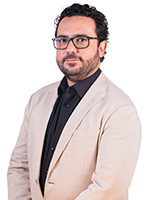 Dr. Gokhan Savas
Professor of International Studies
CAS
Gokhan Savas, PhD, FHEA, is Professor of Sociology at AUS. He received his PhD and MA in Sociology from Syracuse University’s Maxwell School of Citizenship and Public Affairs, where he also completed a Certificate of Advanced Studies in Women’s and Gender Studies. He has more than 15 years of teaching experience across the United States, Türkiye, Germany, Kuwait and the United Arab Emirates.
His research focuses on gender, social inequality, international migration, higher education and social
change. His work has appeared in journals including Women’s Studies International Forum, British Journal of Sociology of Education, The Review of Higher Education and International Journal of Sociology and Social Policy. His research closely informs his teaching, particularly his use of contemporary cases, applied research and classroom debate to connect sociology with students’ lives.Before joining AUS, Dr. Savas held academic positions in Türkiye, Kuwait and the United States. He served as the founding chair of the Department of Sociology and founding director of the Center for Survey Research at the Social Sciences University of Ankara. He currently serves as Secretary of the AUS Faculty Senate and Managing Editor of Wagadu: A Journal of Transnational Women’s and Gender Studies. A Fellow of the Higher Education Academy and a recipient of Syracuse University’s Outstanding Teaching Award, he is committed to creating inclusive and intellectually engaging classrooms where students learn to question familiar assumptions, evaluate evidence and engage thoughtfully with complex social issues.
Teaching Philosophy
My teaching philosophy begins with a simple idea: sociology should help students see the familiar in a new way. I want students to leave my classroom not only knowing sociological concepts, but also being able to use them to ask better questions about their own lives, communities and the wider world. One of the most rewarding moments for me is when a student begins to question something they had previously taken for granted.
Having taught for more than 15 years across the US, Türkiye, Germany, Kuwait and the
UAE, I have learned that students bring different experiences, expectations and ways of seeing the world into the classroom. I consider this diversity one of the greatest resources for learning. I therefore try to create an inclusive environment where students feel respected, but are also encouraged to challenge their assumptions and engage seriously with perspectives different from their own. Because sociology is closely connected to everyday life, I use case studies, structured debates, field observations, research projects and multimedia assignments to connect theory with contemporary social issues. I also integrate digital tools when they genuinely support participation, reflection and independent learning.Above all, I see teaching as an ongoing process of listening, adapting and learning alongside my students. My goal is to help them become more confident thinkers who can evaluate evidence, understand social complexity and engage responsibly with the world around them.
- Dr. Mohammad AlHamaydeh | CEN
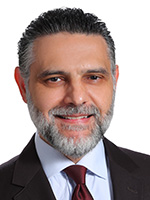 Dr. Mohammad AlHamaydeh
Professor of Civil Engineering
CENDr. Mohammad AlHamaydeh is Professor of Civil Engineering at AUS. He holds a PhD in Civil and Structural Engineering from the University of Southern California (USC) and has extensive industry experience, having worked as a structural design engineer in California and the Middle East before transitioning into academia.
At AUS, Professor AlHamaydeh teaches a wide range of undergraduate and graduate courses, from foundational statics and structural steel design to advanced topics such as structural earthquake engineering, the analysis and design of tall buildings, and earthquake-resistant structural design. His prolific research portfolio centers on nonlinear structural dynamic response analysis, passive control and supplemental damping devices,soil-structure interaction, and the application of artificial intelligence and machine learning to structural health monitoring.
He is also actively developing sustainable and resilient construction materials, including fiber-reinforced and geopolymer concrete.
With more than 150 technical publications and collaborations with academic and industry partners worldwide, Professor AlHamaydeh contributes to global building design codes through his service on the ASCE/SEI 7-22, ASCE/SEI 41-23, ASCE/SEI 7-28, and ASCE/SEI 41-29 technical committees. He was named a Fellow of the Structural Engineering Institute (SEI) in 2021, the first engineering professional in the MENA region to receive that distinction. In 2025, he was elected as a Fellow of the American Society of Civil Engineers (ASCE); his honors also include the ASCE Region 10 Distinguished Service Medal.
He is a registered Professional Engineer (PE) in the USA and an active member of several professional engineering organizations, including ASCE and the American Concrete Institute (ACI).
Teaching Philosophy
My teaching philosophy is rooted in the conviction that contemporary engineering education must seamlessly integrate rigorous theoretical foundations with real-world application, technological innovationand ethical professional practice. As a professor of civil engineering, I am dedicated to cultivating an inclusive, transformative learning environment that empowers students to navigate and lead in a rapidly evolving global landscape.Bridging Theory and Professional Practice
Drawing upon my professional experience as a structural design engineer and my extensive academic research in nonlinear structural dynamics and seismic design, I strive to demystify complex engineering principles. I believe that students learn most effectively when abstract concepts are contextualized within tangible, industry-relevant challenges. By incorporating case studies, full-scale experimental analyses, and project-based assignments into my curriculum, I bridge the gap between classroom theory and the practical demands of structural engineering practice.Pedagogical Innovation and Technological Integration
Aligned with the principles of instructional innovation and lifelong learning championed by CITL, I integrate advanced technologies into my pedagogy. Modern structural engineers must be proficient not only in classical mechanics but also in computational simulation and emerging digital tools. Consequently, I actively incorporate computer-aided design, nonlinear finite element methods, and artificial intelligence and machine learning applications into my courses. My goal is to foster critical digital literacy and analytical depth, equipping students with the modern analytical tools required for structural health monitoring, performance-based earthquake engineering and smart infrastructure design.Fostering Active, Inclusive and Student-Centered Learning
I am committed to fostering a student-centered classroom that values diversity, inclusion and collaborative inquiry. I view teaching not merely as transmitting knowledge, but as fostering intellectual curiosity and critical thinking. By designing active learning experiences, such as peer collaboration, interactive simulations and research-oriented problem-solving, I encourage students to take ownership of their academic journey. I provide a supportive environment where diverse perspectives are respected, and students are challenged to develop both their technical acumen and their professional judgment.Mentorship and Lifelong Learning
Ultimately, my objective is to inspire a commitment to lifelong learning and ethical engineering practice. Whether teaching foundational undergraduate courses like Statics and Structural Steel Design or advanced graduate courses in Structural Earthquake Engineering, I mentor students and support their holistic development. By modeling reflective practice and continuous scholarly inquiry, I prepare the next generation of engineers to design resilient, sustainable and innovative structures that positively impact society.- Dr. Efe Cotelioglu | SBA
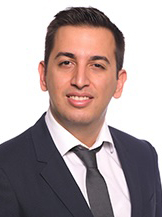 Dr. Efe Cotelioglu
Assistant Professor of Finance
SBADr. Efe Cotelioglu is Assistant Professor of Finance at AUS. His research focuses on financial markets and institutions, including banking, institutional investors, market liquidity and financial regulation. His work uses large financial datasets and empirical methods to study how investors, institutions and policy changes affect financial markets. At AUS, he teaches investments, financial forecasting and portfolio management. His teaching interests include the use of data analytics, interactive applications and artificial intelligence to strengthen students’ quantitative and analytical skills.
Teaching Philosophy
My teaching philosophy centers on helping students connect financial theory with real-world problems, data and decision making. In quantitative courses, I want students to understand not only how to perform an analysis, but also why a method is appropriate and how its results should be interpreted.
I combine lectures with applied examples, data analysis, cases and interactive activities. I also use financial databases, statistical software, programming tools and interactive applications to provide students with experience working on realistic financial problems.As generative AI becomes increasingly important, I believe students should learn to use it critically and responsibly. I view AI as a tool that can support learning, but not replace reasoning. My goal is to develop students who can analyze financial problems independently, evaluate evidence carefully and combine quantitative analysis with sound judgment.
- Diana Audi | CAS
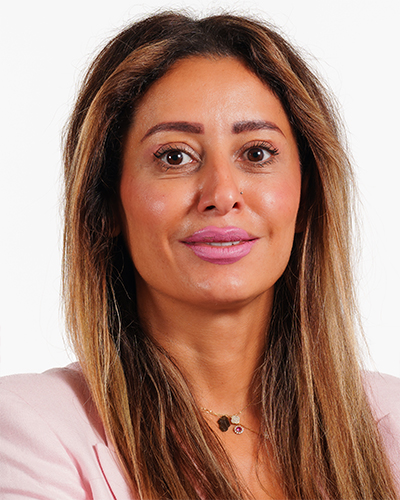 Diana Audi
Senior Instructor of Mathematics and Statistics
Department of Mathematics and Statistics
Diana Audi, MS, is a Senior Instructor of Mathematics with over two decades of teaching experience at the American University of Beirut (AUB) and AUS. A distinguished graduate of both AUB and the Lebanese University, she has consistently ranked among the top in her field, earning national recognition for academic excellence. She has taught and coordinated a wide range of undergraduate mathematics courses, from foundational logic and geometry to advanced calculus, linear algebra and partial differential equations. Her teaching consistently receives among the highest evaluations in her department, reflecting her commitment to student success.
Beyond the classroom, she has contributed to curriculum development, faculty committees and innovative teaching research, publishing widely on technology-enhanced learning methodologies. Her career reflects a deep dedication to making mathematics engaging, accessible and relevant to diverse learners.
Philosophy:
My teaching philosophy is centered on the belief that every student can succeed in mathematics when supported with the right tools, motivation and environment. I see teaching not simply as transferring knowledge, but as inspiring curiosity and empowering confidence. I strive to make mathematics approachable by connecting abstract concepts to real-world applications and by fostering interactive, student-centered classrooms.
Over the years, I have integrated innovative methods—such as Classpoint, AI Tools, iPads, lecture capture, MyMathLab and interactive platforms like Pull-Everywhere—to create inclusive and dynamic learning experiences. I aim to nurture both conceptual understanding and problem-solving skills, tailoring my instruction to large lectures as well as smaller seminars.
Above all, I view teaching as an opportunity to make a lasting difference in students’ academic journeys, helping them not only master mathematics but also develop a lifelong appreciation for its power and beauty.
Information for New Faculty
- Welcome To Your New Home!
You have just joined a vibrant, multicultural community. As faculty and staff residents comprise an integral part of our lively campus community, the university provides a wide range of facilities, services and opportunities that cater to the needs of our community members.
Coming to a new country and new position can be a stressful time for everyone concerned, especially if you also have family to consider. AUS faculty members come from many countries and cultures. Some are already acquainted with the Middle East. For others, this appointment introduces a completely new dimension to their lives. You will want to know what to expect and how to make the transition from your country to the United Arab Emirates (UAE) and AUS. While you will enjoy the general atmosphere of conviviality and warm hospitality that prevails here, there will always be cultural and behavioral differences that will take time to assimilate and accept. The CITL will attempt to answer the many questions and concerns you may have as a new faculty member at AUS.
- Pre-Arrival Information
Your contract has been signed and returned to the Office of the Chancellor, and now the process of getting to AUS commences. You should have received a welcome letter from Human Resources (HR) along with forms to complete and a list of required documents to be sent. For more information, download our New Faculty StartUp Guide. This guide contains useful information about these services to help with your transition to AUS and the UAE.
- Orientation
The New Faculty Orientation is a week-long event designed to help new faculty transition to living and working at American University of Sharjah.
Download our New Faculty StartUp Guide.
Workshops and Events
- Fall 2026 Workshops and Events
This semester brings a new lineup of CITL events designed to spark ideas, build connections, and support meaningful teaching and learning across AUS. These events will feature hands-on workshops, engaging seminars, thought-provoking panel discussions, and opportunities for discussion. A key highlight will be the 4th Annual Best Practices in Teaching and Learning Conference, rescheduled from last semester, offering the AUS and wider higher education community an opportunity to come together, share effective practices, and learn from one another. Also returning for its third edition is AI Week, creating space to explore and discuss the evolving role of AI in education.
Please click here to learn more about the workshops and events for Fall 2026.
- Spring 2026 Workshop and Events
A full lineup of CITL seminars, workshops, and focused webinars is being offered this semester, providing opportunities for faculty, staff, and graduate students to learn, connect, and share ideas. Expect practical, classroom-ready takeaways, timely conversations on emerging themes, and interactive sessions designed to support teaching and learning as the term unfolds. The semester will also feature CITL’s annual Best Practices in Teaching and Learning Conference, bringing the AUS and the wider higher education community together to exchange insights and showcase effective approaches to teaching and learning.
Please click here to learn more about the workshops and events for Spring 2026.
- Fall 2025 Workshops and Events
CITL opened the semester by welcoming 45 new faculty members and delivering a series of forward-looking webinars that offered timely insights and practical takeaways for teaching and learning at AUS. The center also facilitated hands-on Active Learning workshops, expanded professional development pathways through its certification programs, and, in coordination with the Sheikha Nama Majid Al Qassimi Endowed Chair for Education Across Disciplines, hosted the Multi-Disciplinary Seminar, Digital Literacy Across Disciplines. The semester also featured the first Future Focus Series webinar, led by Dr. Norita Ahmad, which helped frame key priorities and emerging directions for assessment and teaching practice in an evolving educational landscape.
Please click here to view the list of workshops for Fall 2025.
- Spring 2025 Workshops and Events
Spring 2025 marked another vibrant semester for CITL, featuring timely and impactful initiatives that supported teaching excellence at AUS. The semester opened with the Spring 2025 New Faculty Orientation and reached a major milestone with the Third Annual Best Practices in Teaching and Learning Conference. Highlights also included CITL’s leadership in the “Education: AI and Beyond” Conference, a thought-provoking panel on social media and misinformation, and the launch of a new CUT Program cohort. The announcement of the 2024 Innovative Teaching Grant recipients capped a semester filled with innovation, reflection and community. Explore the link to learn more.
- Fall 2024 Workshops and Events
Explore the highlights from Fall 2024, in which CITL hosted a series of impactful workshops and events aimed at enhancing teaching practices across AUS. From the warm welcome of new faculty to hands-on training in technology integration, these sessions provided valuable opportunities for professional growth. Key moments included workshops on "Teaching Critical Thinking," "Constructive Alignment in Course Design," and "The Best of Both Worlds: Harmonizing Human-Centered Teaching with Technologically-Driven Classrooms." In addition, we continued our Apple in Education training and introduced our partnership with Jalinga Interactive Studio to help faculty create dynamic instructional materials for hybrid and online courses. A thought-provoking panel discussion on philosophy and AI also explored the philosophical implications of AI in education. Each event offered faculty practical insights and tools to engage students and enrich the learning experience.
Please click here to view the lists of workshops for Fall 2024.
- Spring 2024 Workshops and Events
Explore the workshops and events from Spring 2024, in which CITL hosted a variety of motivating workshops and events. From the Spring 2024 New Faculty Orientation to the panel discussions, faculty engaged in opportunities to enhance their teaching practices and integrate AI tools. Notable moments include the launch of the AI Hub and the Second Annual Best Practices in Teaching and Learning Conference. Additionally, the Revamped CUT Program introduced a fresh lineup of workshops to support PhD students in the CUT program.
Please click here to view the lists of workshops for Spring 2024.
- Fall 2023 Workshops and Events
In Fall 2023, CITL embarked on a season of educational growth, exploration and collaboration. Our lineup featured a diverse range of workshops and events designed to ignite creativity, foster effective teaching strategies, and harness the power of innovative technologies in education. These were all offered to seasoned educators and new joiners of AUS as we strive to create dynamic and engaging learning experiences for all.
Please click here to view the lists of workshops for Fall 2023.
- Spring 2023 Workshops and Events
The lineup of workshops and events held in Spring 2023 offered faculty an enriching and collaborative learning experience. Our carefully curated sessions aim to empower educators with innovative teaching strategies, cutting-edge technology integration, and a supportive community to enhance the educational landscape. As we ushered in a new season, we were thrilled to be a part of our teaching community’s professional growth as we aimed to create dynamic and engaging learning environments.
Please click here to view the lists of workshops for Spring 2023.
Contact the Team
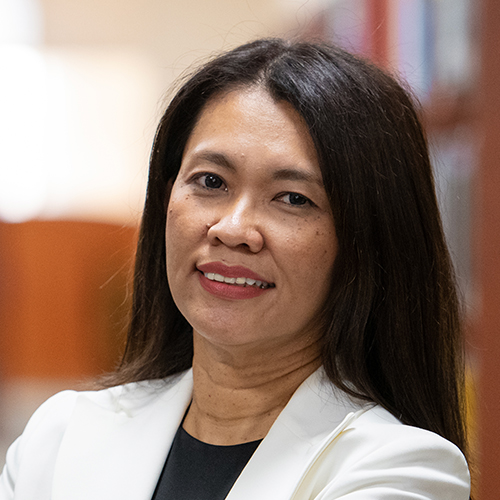
Norita Ahmad
Director
Cell | +971 50 108 7484
Email | [email protected]
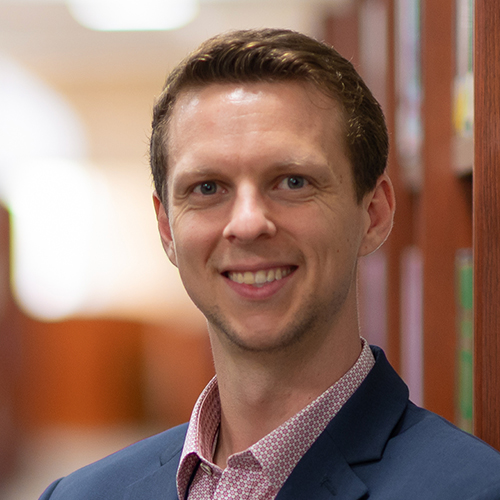
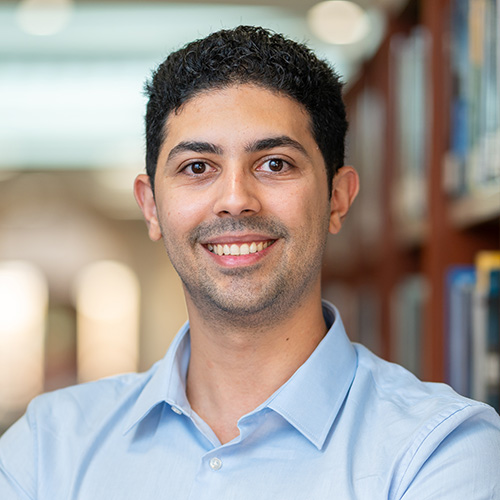
Mohamed Elhayany
Teaching and Learning AI Specialist
Tel | +971 6 515 2214
Email | [email protected]
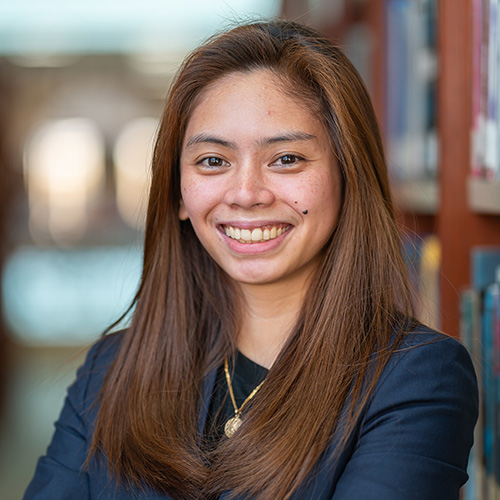
Lyka Layno
Administrative Assistant
Tel | +971 6 515 2279
Email | [email protected]